Search results for: “easter”

  • The Nature and Purpose of Easter

    Easter: The Celebration of the death and resurrection of Jesus.

    Easter is celebrated across the world, and not just by Christians. Unbelievers also celebrate Easter, often forgetting the message at the heart of the festival: the resurrection of Jesus!  This resource explains the key features of Easter for the Christian community across the world.
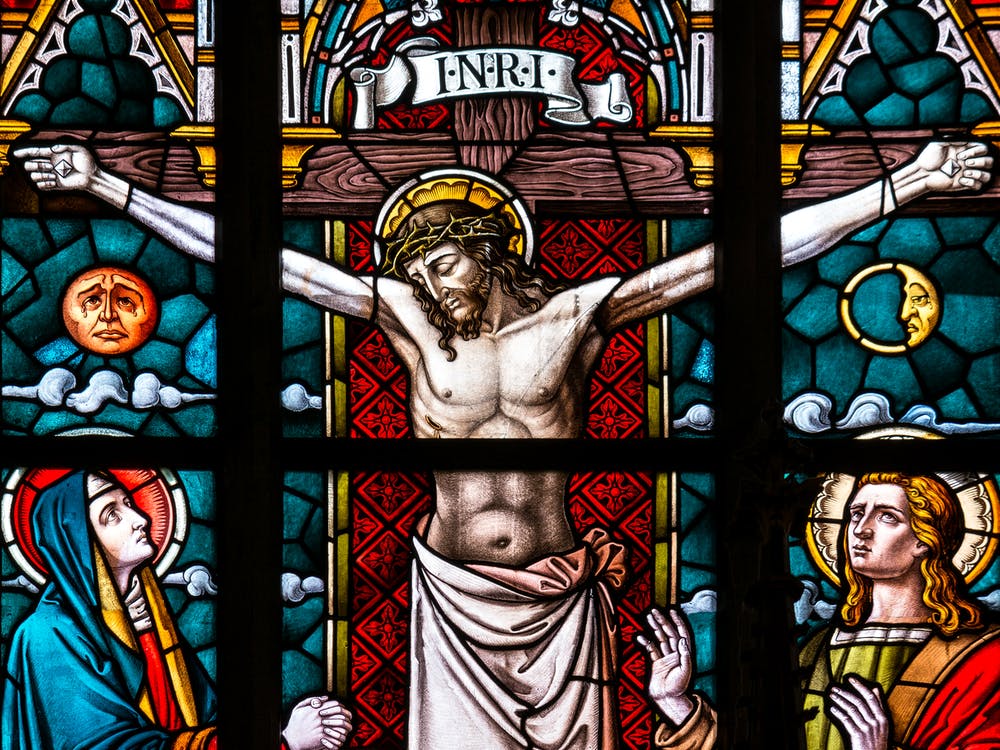
    THE CRUCIFIXION AND RESURRECTION OF JESUS

    At Easter, Christians remember and celebrate the events of Holy Week, which saw Jesus crucified and resurrected. On Good Friday they remember his crucifixion; on Easter Sunday they celebrate his resurrection. Good Friday may sound like a weird name for a day on which Jesus died, but Christians believe that this was part of God’s plan for salvation for all of humanity. Jesus died on the cross so that nobody needed to make up for the sin they committed: Jesus was the ‘once and for all’ sacrifice.

    ‘For God loved the world so much that he gave his only Son, so that everyone who believes in him may not die but have eternal life.’ John 3:16

    This salvation, offered by Jesus’ death and resurrection, is something that Christians think is worth celebrating!

    pile of egg toy lot

    EASTER TRADITIONS

    Christians share many Easter traditions with unbelievers. They might eat hot cross buns, and chocolate eggs, plus send Easter cards. These all reflect their beliefs about Jesus. For example, eggs represent new life; Jesus’ resurrection and emergence from the tomb in which he was laid after his death.

    Many Christians fast for Lent. On Good Friday and Easter Sunday, they attend special services at church. Some churches re-enact the Passion of Christ, bringing to life the last events of Jesus’ life. These are known as Passion Plays.

    FAITH BUILDING

    The Easter Story serves to remind Christians of the role of Jesus in their lives. It gives them faith in God, showing how much he loves them through sending his Son to die for them. Jesus’ resurrection gives Christians the hope of life after death.

    ‘Now, since our message is that Christ has been raised from death, how can some of you say that the dead will not be raised to life? If that is true, it means that Christ was not raised;’1 Corinthians: 12-13

    ‘But the truth is that Christ has been raised from death, as the guarantee that those who sleep in death will also be raised.’ 1 Corinthians 15:20

    These verses were written by Paul, making it clear to Christians that Jesus’ resurrection was evidence that they themselves will have life after death.

  • Easter: Lent

    woman sitting on bench inside church

    Lent is a special time in the Church’s calendar that takes place each spring in the run up to Easter. It begins in either late February or early March with Ash Wednesday. Lent lasts for 40 days (not including Sundays) and ends the day before Easter Sunday, on Holy Saturday. It is a solemn time when Christians remember how Jesus spent 40 days and nights alone in the wilderness being tempted by the Devil. Jesus used this time to prepare for His work by fasting and praying. You can read about this in Matthew 4:1-11 and Luke 4:1-13.

    Christians spend the 40 days of Lent preparing for Easter Day. They set aside time to think about whether they are living in a way that makes God happy. They will ask for God’s forgiveness for the times they mess up, and for his help to live in the way that he wishes. Christians specially remember all that Jesus did for each of them when he died on the cross on the first Good Friday. They also remember how he overcame sin and death by rising from death on the first Easter Sunday.

    Fasting
    Many Christians will give up eating certain foods during lent, for example, chocolate. This is to help them concentrate on God. This is also a reminder of the fact that Jesus did not eat for the forty days that he was in the wilderness. Many Christians will also set aside whole days of fasting and praying. Fasting has been practiced for centuries within many different cultures and religions. The Christian tradition has its roots within the Jewish culture as found in the Old Testament. In one example Queen Esther calls upon the Jewish nation to come together in prayer and fasting,

    ‘Then Esther sent this reply to Mordecai: ‘Go, gather together all the Jews who are in Susa, and fast for me. Do not eat or drink for three days, night or day. I and my attendants will fast as you do. When this is done, I will go to the king, even though it is against the law. And if I perish, I perish.’ (Esther 4).

    For Christians fasting and prayer often go hand in hand,

    ‘Paul and Barnabas appointed elders for them in each church and, with prayer and fasting, committed them to the Lord, in whom they had put their trust.’ (Acts 14)

    Christians believe that the purpose of fasting is to take a person’s focus away from the things of the world and onto God. Fasting and prayer is believed to be a way a person gains a new perspective and a renewed reliance upon God. Fasting should never be used in order for a person to boast about their superior spirituality but it should be done in a spirit of humility and a joyful attitude.

    ‘When you fast, do not look sombre as the hypocrites do, for they disfigure their faces to show others they are fasting. Truly I tell you, they have received their reward in full. But when you fast, put oil on your head and wash your face, so that it will not be obvious to others that you are fasting, but only to your Father, who is unseen; and your Father, who sees what is done in secret, will reward you.’ Matthew 6:16-18

  • Easter: Ash Wednesday

    Ash Wednesday is the day after Shrove Tuesday and signals the start of Lent. It is called ‘Ash Wednesday’ because Lent is a time when people are sorry for the wrong things in their lives and ashes are used in the Bible as a sign of sadness.

    Some churches have a special part in a service called ‘ashing.’ As a way of showing sorrow for wrong things done, and as a reminder that all die, the priest makes a sign of the cross in ashes on the forehead of each person. The ashes are usually made from burning palm crosses that were kept from Palm Sunday the previous year.

    Lent is a time when Christians think about the things they have done and the way that God wants them to live. Saying sorry to God by confessing our sins – owning up to the wrong things we have done – is a more important part of people’s worship and prayer during Lent.

  • Easter: Palm Sunday

    Palm Sunday is the beginning of Holy Week – a celebration of the final week of Jesus’ life on earth. On Palm Sunday, Christians remember the time when Jesus went into Jerusalem, Israel’s capital city, riding on the back of a donkey. This occasion is sometimes known as the Triumphal Entry to Jerusalem.

    You can read the story for yourself in Matthew 21 and Mark 11.

    What happened on the first Palm Sunday?
    Like many Jews, Jesus was going to Jerusalem in order to celebrate the Jewish feast of Passover, the time when the people remembered the story of Moses. On this occasion, the people welcomed Jesus like a king and threw coats and palm leaves on the ground for the donkey to walk over – just as a red carpet would be put on the ground for a King or Queen today. The people also shouted:

    ‘Hosanna! Blessed is he who comes in the name of the Lord!’

    This was a line from an old Jewish song of praise. Hosanna means ‘help’ or ‘save.’ The people were calling out to Jesus to help or save them.

    Why did such an important person decide to ride into the city on a donkey?
    Firstly the Old Testament prophets wrote about a king that would ride upon a donkey. One prophet called Zechariah wrote:

    “Rejoice greatly, O Daughter of Zion! Shout, Daughter of Jerusalem! See, your king comes to you, righteous and having salvation, gentle and riding on a donkey, on a colt, the foal of a donkey” (Zech 9:9).

    So in riding on a donkey Jesus was showing people that he was like the king that Zechariah had written about. Secondly, the donkey was a symbol of peace and humility. Jesus was a king – but he was not riding a war horse. He was coming in peace to bring about his mission not through violence but through love and sacrifice.

    How do Christians celebrate Palm Sunday?
    In some churches, palm branches or palm crosses, made from palm leaves, are given out to everyone. In some other churches, the children will make crosses from strips of paper. Many churches will have a procession in or around the church while people sing songs of praise and wave palm leaves. This is to help them imagine what Jesus’ entry into Jerusalem might have been like.

  • Easter: Maundy Thursday

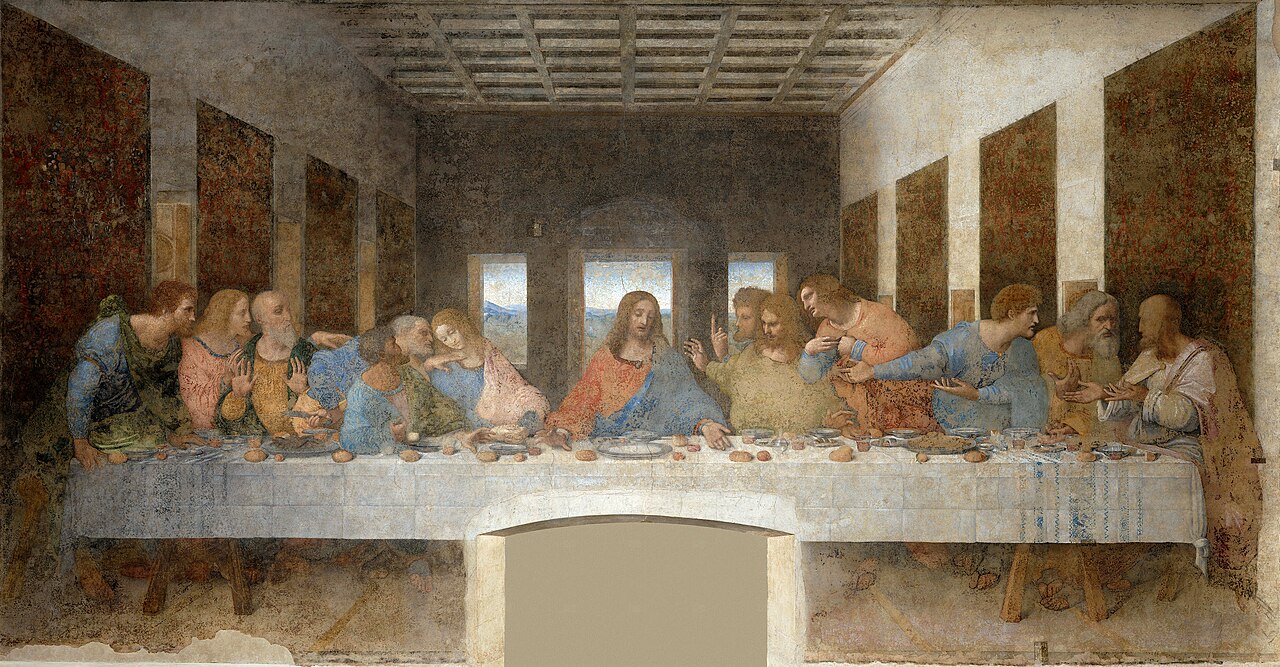
    Maundy Thursday is the Thursday of Holy Week, the Thursday before Easter Day. On this day Christians remember the event known as The Last Supper. It was also the night when Jesus went to the garden of Gethsemane to pray. He was later betrayed by Judas and arrested by soldiers and guards.

    ‘Maundy’ is an old word for a commandment. This word is used because, over dinner, Jesus gave his disciples an important commandment, to love one another as he had loved them. Jesus and his disciples, like thousands of other Jews, had gone to Jerusalem to celebrate the Feast of the Unleavened Bread. The Passover was part of this annual Jewish festival that celebrated the escape of Moses and the Hebrew people from slavery in Egypt.

    Watch this video to learn more about Maundy Thursday.

    You can find out how Christians mark Maundy Thursday here.

    You can read the story of the Last Supper for yourself in Matthew 26, Mark 14, Luke 22and John 13.

  • Easter: The Centurion’s story

    Note: Please be aware that some of the themes in this film are only suitable for older children and teenagers. We recommend that teachers watch it first before sharing the film with students.

    The Bible says that Jesus died by being crucified by the Romans, that is, being nailed to a cross and left to die. The gospels quote a Roman soldier – known as a centurion – who watched Jesus die. He said, “Surely this man was the Son of God.’

    This film is based on that story. You can read about it in the Bible in Luke 23: 26-49.

  • Easter: Was Jesus’ death predicted?

    Jesus died by being crucified. ‘Crucifixion’ means nailed to a cross. The cross was then lifted up outside the city walls (in Jesus’ case, Jerusalem) so everybody could see it. The people on the cross were then left to die in the hot sun. It was a form of Roman execution, usually saved for really wicked criminals such as murderers, or people who fought the Roman Empire.

    Jesus was accused by his enemies of ‘stirring up trouble’ against the Romans who occupied Israel. The events of Palm Sunday – where crowds followed him and called him king – were probably used as evidence against him. At the time the only ‘king’ allowed in Jerusalem was the Roman Emperor.

    There are lots of answers to the question, ‘Why did Jesus die?’ You could say it was because Pilate, the Roman Governor of Jerusalem, sentenced him to death. Or because one of his disciples, Judas, betrayed him. Or because Jesus had enemies who wanted him dead. All that would be true, but in the Gospels, it seems that there is something more to it…


    JESUS-WHYDIE-WISEMEN
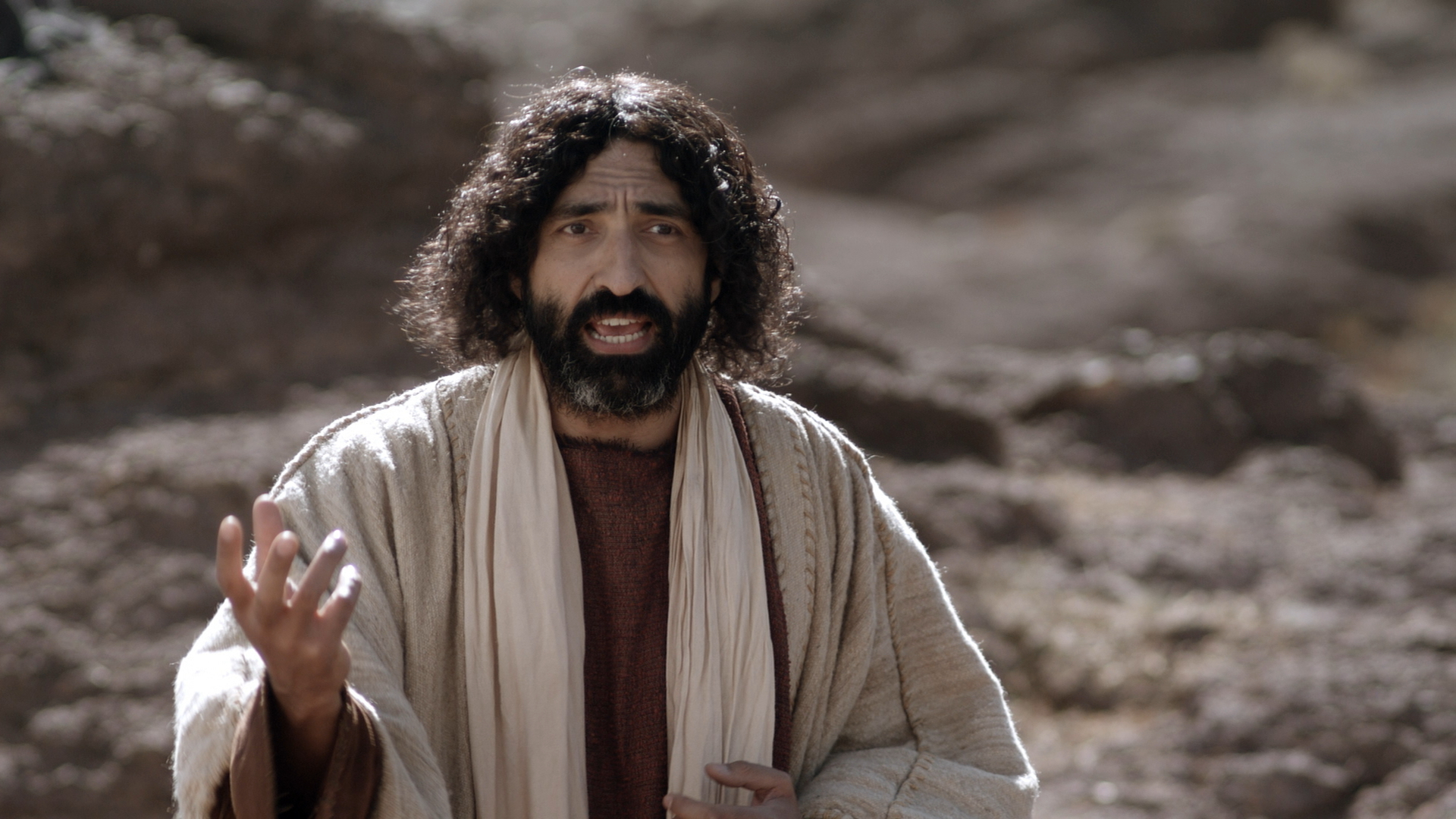
    Jesus Teaching_3

    Clue 1: The Wise Men’s presents Remember the presents in the Christmas story – gold, frankincense and myrrh? Myrrh is used on dead bodies before they are buried to keep them smelling fresh. This seems a very strange thing to give to a newborn baby! But Christians see it as a sign right from the beginning that Jesus’ death would be as important as his life. .


    Clue 2: Jesus predicts his death over and over again The gospels record Jesus telling his disciples on more than one occasion that he will die. For example: ‘The Son of Man [that is, Jesus] must suffer much … and be rejected … he will be put to death, but three days later he will rise to life.’ (Mark 8:31)

    In other words, Jesus said his death was the greatest act of service he was to do, and his death was the price that had to be paid to release people from some kind of slavery.

    ‘The Son of Man did not come to be served; he came to serve, and to give his life to redeem (save) many people’. (Mark 10:45)

    Not surprisingly, some listeners thought he was mad, or demon-possessed.


    Clue 3: The Last Supper  Jesus’ ‘last supper’ with his disciples was not just any meal. They were eating a special meal called the Passover meal. At the Passover, Jews remember the special covenant they made with God: the promises made in the time of Moses when they promised to follow God, and He promised to always be with them. During this Passover meal, on the night before he died, Jesus talked about the bread they are eating as being his body and the wine they are drinking as being his blood. What could this mean? The Jews marked this special bond in a ceremony that included sprinkling the people with ‘the blood of the covenant’. That was remembered by drinking wine.

    When Jesus talked about the Passover bread as his body, and the Passover wine as his blood, he is telling his disciples that his death now makes a new special bond between people and God. In other words, Jesus’ death would make it possible for people – non-Jews as well as Jews – to be linked with God in a new way.


    JESUS-WHYDIE-TORN VEIL

    Clue 4: The torn curtain In the Jewish temple in Jerusalem there was a big curtain that separated off a special place called ‘The Holy of Holies.’ This is the place where Jews believed the presence of God could be found.

    Only a specially consecrated Great High Priest could go in, once a year (during Yom Kippur, the festival of atonement), to make a special plea for forgiveness on behalf of all the people.

    Matthew’s gospel says that at the moment Jesus died, this curtain – the symbol of separation between a Holy God and humankind – tore in two. What could that mean?

  • Easter: Resurrection Evidence

    After Jesus was crucified, his body was placed in a cave and a large rock was rolled in front of the entrance. Roman guards were ordered to stand and keep watch over it to ensure that the body wasn’t stolen. However, after three days, Christians believe that Jesus came back to life and came out of the tomb, and that over the following 40 days he appeared to hundreds of people.

    But what evidence is there to support this belief?
    What did happen to Jesus’ body?

    Watch this short video to find out the answers to this question…


  • Easter: Maundy Thursday

    LIFE-CHURCH-TYPICAL-communion

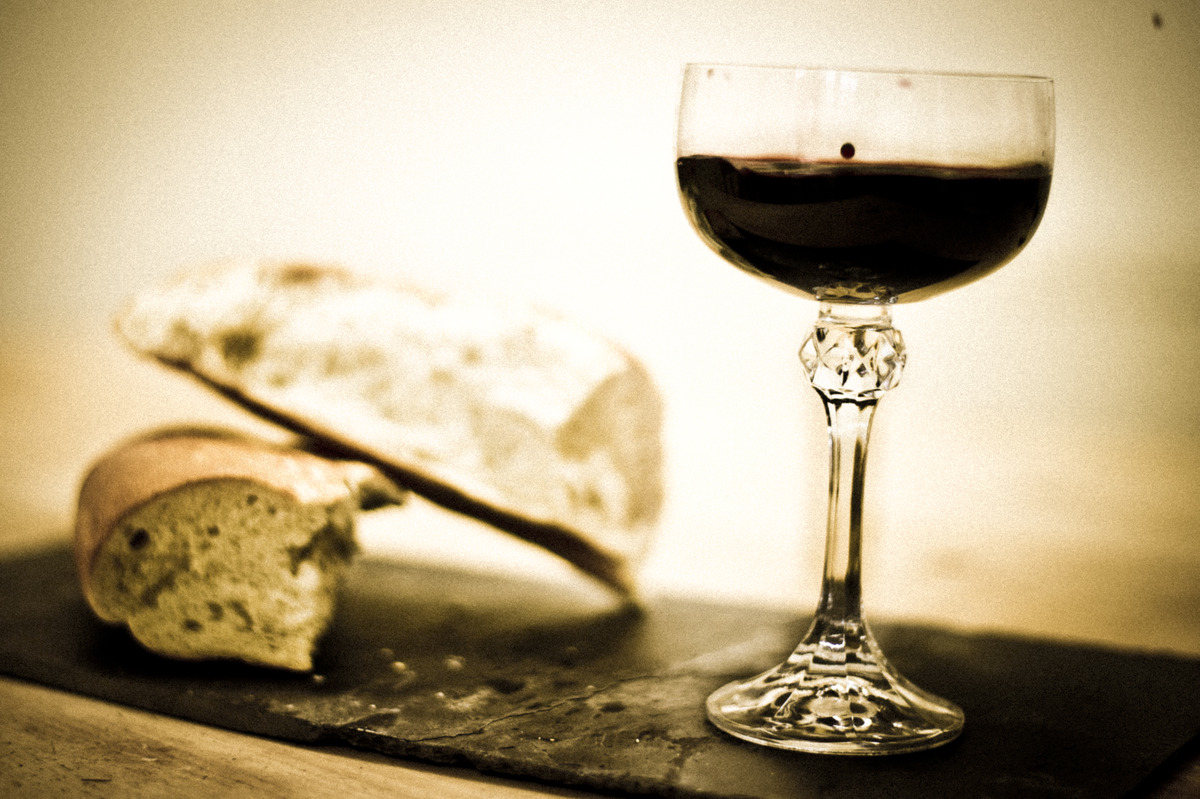
    Many churches hold a special Maundy Thursday service. This is held to remember the Last Supper, where Jesus broke bread and drank wine with his disciples the night before his crucifixion.

    Maundy Thursday Services are held in many Roman Catholic and in some Church of England churches. Three things happen:

    • The Ministers wash the feet of twelve members of the church, remembering that Jesus washed the feet of his twelve disciples. In some churches the Priests dress as Deacons, wearing their stoles diagonally. A Deacon’s job is to serve the people.
    • Broken bread and wine are shared in Holy Communion to remember the meal that Jesus shared with his disciples
    • The service ends with a ‘Prayer Watch’ or ‘Prayer Vigil’ to remember that Jesus asked his disciples to pray with him after the Last Supper.

    Did you know?

    In England, it is traditional for the King or Queen to give out Maundy money to some of their people, often to elderly people who are in need. This is a small bag of silver coins that have been specially made for the occasion.

    The tradition of giving Maundy money began in 1662 when the reigning monarch stopped the practice of washing the feet of some of his people and decided to give money to the poor instead.

  • Easter: Good Friday

    Good Friday is the Friday of Holy Week, the Friday before Easter Day. It is thought that the name Good Friday is an altered form of God’s Friday. But many people say that ‘Good’ Friday is an appropriate name because, on this special day, God showed his goodness to humankind. It is the day God made it possible for people to be forgiven and know him in a new and special way.

    Good Friday was the day when Jesus stood trial before the priests and later a Roman Governor called Pilate. Although Pilate could not find any wrong in Jesus, he was still sentenced to death by crucifixion as the priests put pressure on him to do so.

    Later that day after having been beaten and mocked Jesus was crucified. He died in the afternoon. His body was taken from the cross and put into a guarded tomb. Good Friday is a day when Christians remember what Jesus did for them. It is the day that Christians remember God allowing Jesus, his perfect son, to take the world’s sin – all the things people have done wrong – onto Himself.

    Christians believe that when Jesus died He took the punishment for all of their individual sins. This means that they have been forgiven, and because of this God can be friends with them, both here on earth and when they die, in Heaven.

    You can read the story of Good Friday in Matthew 26 – 27, Mark 14 – 15, Luke 22 – 23 and John 18 – 19.

    Watch these videos to find out more!

    Did you know?

    The Bible says that when Jesus died the curtain in the temple was ripped from top to bottom. This curtain separated the most sacred part of the temple, the Holy of Holies, from the rest of the temple.

    The Holy of Holies contained the Ark of the Covenant and only the High Priest was allowed in there once a year.

    Christians believe that the ripping of the curtain was a symbol: that through Jesus’ death on the cross anyone is now able to come into God’s presence.

More posts