Christmas is an important time for Christians. It is the time when they remember God coming to earth in the form of a baby. This is known as the incarnation.
In the Bible, Jesus is referred to as ‘Immanuel,’ which means ‘God with us.’ The story of the first Christmas can be found in Luke 1-2 and inMatthew 1- 2.
Watch the film for a simple retelling of this story.
What does Christmas mean for you? Your family? Your friends?
And what does Christmas mean to Christians?
There will probably be some overlap in what Christmas means for most people, but something which is quite distinctive for Christians is that Christmas points to something even greater to come. The birth of Jesus is important, but this was just the beginning!
Explore what Christmas means to Christians with this lesson plan and accompanying handout and videos.
Have you heard Jesus described as ‘the Light of the World’? Christians believe that God sent Jesus into the world so that people could enjoy a restored relationship with him.
Jesus himself said:
“I am the light of the world. Whoever follows me will never walk in darkness, but will have the light of life.” John 8:12
Jesus offers spiritual freedom to people who choose to follow him, they no longer need to be in spiritual darkness.
To celebrate Jesus’ impending birth, and the light that he brings to the world, some Christians make a Christingle for use during the time of Advent.
SYMBOLISM
The parts of the Christingle are symbolic of the event of Jesus entering the world, with all it means for humanity.
The orange represents the world
A candle in the centre of the orange represents Jesus Christ as the Light of the World
A red ribbon wrapped around the orange represents the blood of Christ which would be shed thirty-three years later on the cross.
Dried fruits and/or sweets on cocktail sticks pushed into the orange represent the fruits of the earth and the four seasons.
Watch the video to discover how to make a Christingle, then download the Make a Christingle worksheet to make one yourself.
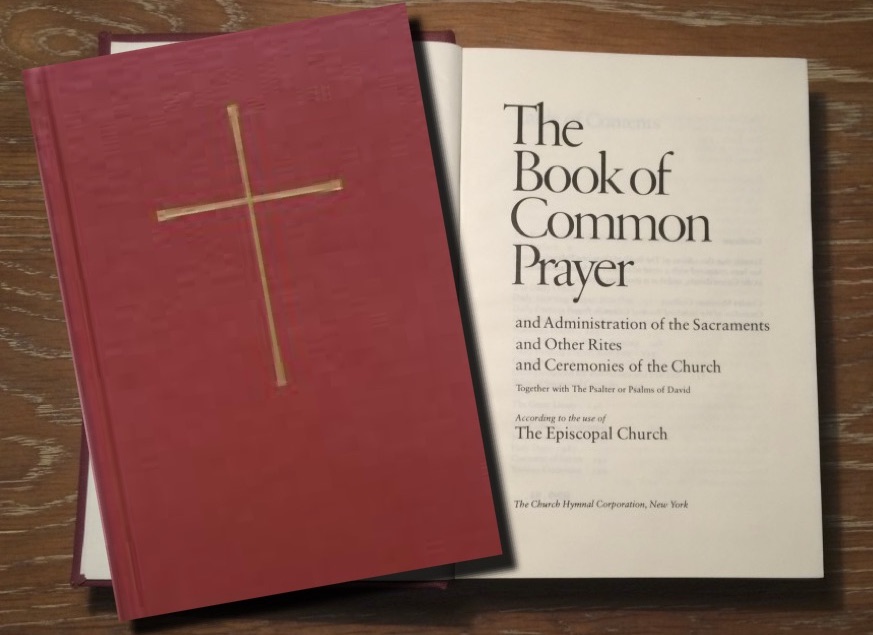
Book of Common Prayer: A permanent feature of the Church of England’s worship and a key source for its doctrine.
The Anglican Church enjoys liturgical and non-liturgical styles of worship and prayer. Liturgical worship and prayer is much more formal, with set songs and prayers. During services, many Anglican churches read from the Book of Common Prayer, which was written for the Church in the 16th century.
The book contains instructions and set prayers for::
Sunday services
Infant baptism
Confirmation
Communion (the Eucharist)
Christian celebrations, such as Easter and Christmas
Visiting the sick
Funerals
The Book of Common Prayer has been a key source of doctrine (Church teachings about core beliefs), so is regarded as very important. Many Christians also value the book for its beautiful language.
The Church plays a key role in the local community and, as such, is viewed as very important. The four key roles it plays in the community are:
1. Centre of Christian Identity: The local church provides people in its community with a sense of belonging and Christian identity. It does this by organising events that bring people together. Examples of this might include:
Children’s clubs and youth groups, including Sunday School, where there are given opportunities to learn about God and mix socially with peers who have the same faith.
Social events and activities, such as coffee morning and fetes, where people can come together and share their faith.
Bible studies and Sunday services, where Christians can discuss their faith journeys and learn about God together.
2. Worship Through Living Practices: The local church provides opportunities for the community to celebrate special events such as Easter and Christmas. The church people mark special milestones in the life of their believers, on occasions such as baptism, marriage and funerals. These are known as rites of passage.
3. Ecumenism: Christians from different denominations in the local community try to develop closer relationships and better understandings. They encourage unity because of their core shared beliefs; they are all followers of Jesus so share a common bond. To show unity they might organise and attend local events together. They may even share buildings and join up for Sunday services or Bible study.
4. Outreach Work: Outreach involves Christians going out into their local community to serve the people within them. Many Christians devote time to volunteering; others choose to devote their career to community outreach. This might include:
Running projects which help the homeless.
Helping people recovering from addiction.
Providing support for families in the community, including single-parent support.
Becoming a chaplain, ministering to people in prison, hospitals and schools.
Running a food bank, distributing food to the poorer members of the community.
Holy war: A war fought to defend a religion or to force others to follow a different religion.
Nature of a Holy War
A holy war is a war that is fought ‘on behalf of God.’ The most famous example of a holy war is The Crusades, which occurred in the 11th to 13th centuries. The Crusades started because much of the Holy Land (Israel) was taken over by its enemies.
In response to this, Christians travelled to Palestine in order to free the holy places there. These battles were ordered by Catholic Popes. A key focus of The Crusades was to rescue Jerusalem which had fallen into enemy hands. They were called holy wars as the Christians believed that God supported them.
Christian Responses to Holy War
Holy war is not accepted by Christians today; they have the view that no war should be fought in God’s name. Christians follow the teachings of the Bible, particularly the example of Jesus. Jesus’ message was one of peace and kindness to all mankind. All Christians believe that war should be avoided wherever possible, with peaceful solutions a better option.
During the Sermon on the Mount, Jesus said: ‘Blessed are the peacemakers, for they will be called children of God.’ Matthew 6:9. Additionally, he is viewed as a peacemaker, and given the title, ‘Prince of Peace’ by believers, with this title appearing in songs and Christmas carols, suchHark the Herald Angels Sing.
Furthermore, some Christians, such as Quakers, are pacificists, so they would not accept war under any circumstances.
However, there are some passages in the Old Testament that indicate war is acceptable, and these were no doubt used to justify The Crusades. One example of this is in the book of Numbers;
“The Lord said to Moses, “Punish the Midianites for what they did to the people of Israel. After you have done that, you will die.” So Moses said to the people, “Get ready for war, so that you can attack Midian and punish them for what they did to the Lord.” Numbers 31:1-3
Ultimately, today Christians would not use the Old Testament teachings to lend support to a holy war. Jesus came and brought a new message, one of hope, justice, and peace. It is this message that Christians turn to when considering the concept of a holy war.
Non-religious Attitudes to Holy War
Many non-religious people oppose war unless absolutely necessary. They are particularly against wars over religion. This is something that Christians and non-religious people agree on: holy wars are wrong.
The Roman Catholic Church teaches that people go to Heaven and Hell, however, it also teaches that when someone dies, they go to a place called Purgatory first. They are not allowed to enter Heaven until they’ve spent time in Purgatory, which is a place where people are sent to prepare them for Heaven.
WHY PURGATORY?
Roman Catholics believe that, when a person dies, they may still have sins or be too attached to their earthly life. Just like you wouldn’t go for a Christmas dinner unwashed and in filthy clothes, Catholics believe that you shouldn’t go to meet God in Heaven with any sin or attachments to earth. This is where Purgatory comes in; it is a place where people are cleansed.of all sins.
There is no explicit reference to purgatory in the Bible, however, The Apocrypha contains passages that support this belief. You can find out more about The Apocrypha by clicking here.
THE APOCRYPHA
2 Maccabees 12:41-45 states:
‘So they all blessed the ways of the Lord, the righteous judge, who reveals the things that are hidden; 42 and they turned to supplication, praying that the sin that had been committed might be wholly blotted out. The noble Judas exhorted the people to keep themselves free from sin, for they had seen with their own eyes what had happened as the result of the sin of those who had fallen.
He also took up a collection, man by man, to the amount of two thousand drachmas of silver, and sent it to Jerusalem to provide for a sin offering. In doing this he acted very well and honorably, taking account of the resurrection. For if he were not expecting that those who had fallen would rise again, it would have been superfluous and foolish to pray for the dead.
But if he was looking to the splendid reward that is laid up for those who fall asleep in godliness, it was a holy and pious thought. Therefore, he made atonement for the dead so that they might be delivered from their sin.’
THE CATHOLIC CHURCH
Based on passages such as this, the Catholic Church has released statements in support of purgatory:
‘All who die in God’s grace and friendship, but still imperfectly purified, are indeed assured of their eternal salvation: but after death, they undergo purification, so as to achieve the holiness necessary to enter the joy of Heaven.’ Catechism of the Roman Catholic Church para 1030, 1992
All Souls Day is an annual day of prayer and remembrance for the souls of those who have died. Catholics have dedicated this day to pray for the souls in Purgatory.
The New Testament part of the Bible tells us about who Jesus was, what he did, and why. But other writings by people who weren’t Christians also talk about a man named Jesus. Jewish and Roman historians, such as Josephus and Tacitus, refer to Jesus in their writings, proving that he was a real person.
In fact, there is more historical evidence for Jesus’ existence on earth than there is for the existence of Julius Caesar.
Where is Jesus found in the Bible?
There are four books in the Bible that talk in detail about Jesus – Matthew, Mark, Luke and John. They are found at the beginning of the New Testament and are known as the Gospels. They describe what Jesus said, what he did, and also tell the stories of his birth (the Christmas story) and his death and resurrection when he came back to life (the Easter story).
Other books in the New Testament also talk about Jesus. For example, the book of Romans, written by St Paul, explains why Jesus’ death was so important for people on earth. Other books (for example, Philippians) help Christians to understand how they can start to live and act like Jesus.
Christians believe that there are also passages in the Old Testament that talk about Jesus, even though it was written hundreds of years before Jesus was born! These are called prophecies, which are sayings that describe events that will happen in the future.
What did Jesus say and do?
According to the Gospels, Jesus lived most of his life in Nazareth, a small town in northern Israel, where he worked as a carpenter. When he was 30, he was baptised and started his ministry. He spent much time teaching people about God and performing miracles. He did this for three years. As a Jewish rabbi (religious teacher), Jesus had disciples. The most famous were the 12 young men who followed Jesus and shared every part of his life.
The Bible also talks about a larger group of followers who he trained to do God’s work. They were not the only people interested in Jesus. Crowds of people would follow him to hear what he had to say and watch the miracles he performed. Jesus told people about his special connection to God.
Was Jesus just a man or was he the Son of God?
This is the biggest question about Jesus. It’s the question that the Christian faith is built on. Was he a remarkable man with some great ideas who was tragically killed for his beliefs? Was he a prophet sent by God? Or was he more than these?
Christians believe Jesus was God incarnate, God in human form. They believe that even though he was the God of the universe, he chose to come to earth as a poor carpenter, to spend three years of his life showing people how to live God’s way. And he chose to die on the cross in order that people who believe in him can be forgiven by God.
His disciples were convinced that he was the Son of God. They believed it so much that they spent the rest of their lives telling others and were willing to die doing so. And millions of Christians over the world today believe the same thing.
Christmas is an important time for Christians. It is the time when they remember God coming to earth in the form of a baby (this is known as the incarnation). In the Bible, Jesus is referred to as ‘Immanuel,’ which means ‘God with us.’ The story of the first Christmas can be found in Luke 1 – 2and in Matthew 1- 2.
Christians do not believe that Christmas simply ‘began’ in Bethlehem just over 2000 years ago. They believe that ‘prophets’ taught about the birth of Jesus hundreds of years earlier. The Jewish people were waiting for a Messiah– a person sent by God to make wrong things right again. Many of the Jewish prophets and teachers had written and talked about where the Messiah would come from, what he would be like and the things he would do. Christians believe that Jesus was the Messiah spoken about all those years before he was even born.
Among the most famous of these teachings can be found in the Old Testament book Isaiah chapters 7and 9. Isaiah teaches that the Messiah would come from the line of King David, that he would be born of a virgin and would be known as Immanuel, God with us. Also, the Book of Micah teaches that the Messiah will be born in Bethlehem.
These prophecies and others lead Christians to believe that Jesus was the Messiah: Son of God, saviour of the world, sent by God to restore humans to a relationship with God.
Jesus died by being crucified. ‘Crucifixion’ means nailed to a cross. The cross was then lifted up outside the city walls (in Jesus’ case, Jerusalem) so everybody could see it. The people on the cross were then left to die in the hot sun. It was a form of Roman execution, usually saved for really wicked criminals such as murderers, or people who fought the Roman Empire.
Jesus was accused by his enemies of ‘stirring up trouble’ against the Romans who occupied Israel. The events of Palm Sunday – where crowds followed him and called him king – were probably used as evidence against him. At the time the only ‘king’ allowed in Jerusalem was the Roman Emperor.
There are lots of answers to the question, ‘Why did Jesus die?’ You could say it was because Pilate, the Roman Governor of Jerusalem, sentenced him to death. Or because one of his disciples, Judas, betrayed him. Or because Jesus had enemies who wanted him dead. All that would be true, but in the Gospels, it seems that there is something more to it…
Clue 1: The Wise Men’s presents Remember the presents in the Christmas story – gold, frankincense and myrrh? Myrrh is used on dead bodies before they are buried to keep them smelling fresh. This seems a very strange thing to give to a newborn baby! But Christians see it as a sign right from the beginning that Jesus’ death would be as important as his life. .
Clue 2: Jesus predicts his death over and over again The gospels record Jesus telling his disciples on more than one occasion that he will die. For example: ‘The Son of Man [that is, Jesus] must suffer much … and be rejected … he will be put to death, but three days later he will rise to life.’ (Mark 8:31)
In other words, Jesus said his death was the greatest act of service he was to do, and his death was the price that had to be paid to release people from some kind of slavery.
‘The Son of Man did not come to be served; he came to serve, and to give his life to redeem (save) many people’. (Mark 10:45)
Not surprisingly, some listeners thought he was mad, or demon-possessed.
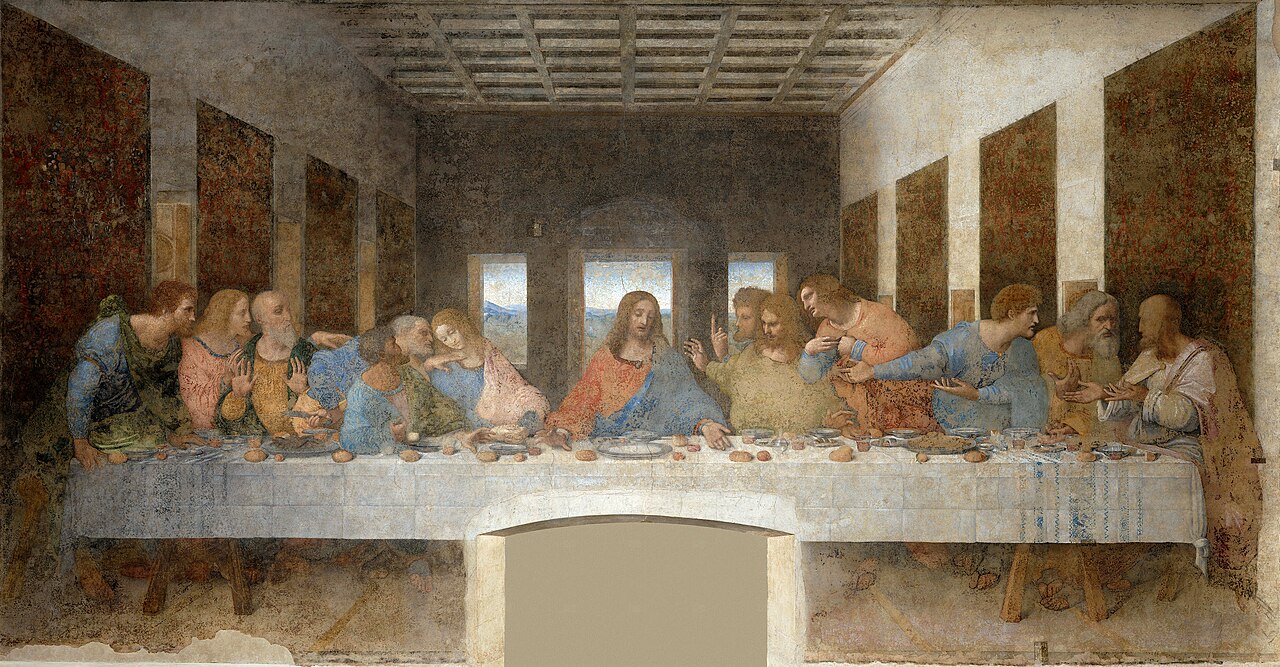
Clue 3: The Last SupperJesus’ ‘last supper’ with his disciples was not just any meal. They were eating a special meal called the Passover meal. At the Passover, Jews remember the special covenant they made with God: the promises made in the time of Moses when they promised to follow God, and He promised to always be with them. During this Passover meal, on the night before he died, Jesus talked about the bread they are eating as being his body and the wine they are drinking as being his blood. What could this mean? The Jews marked this special bond in a ceremony that included sprinkling the people with ‘the blood of the covenant’. That was remembered by drinking wine.
When Jesus talked about the Passover bread as his body, and the Passover wine as his blood, he is telling his disciples that his death now makes a new special bond between people and God. In other words, Jesus’ death would make it possible for people – non-Jews as well as Jews – to be linked with God in a new way.
Clue 4: The torn curtain In the Jewish temple in Jerusalem there was a big curtain that separated off a special place called ‘The Holy of Holies.’ This is the place where Jews believed the presence of God could be found.
Only a specially consecrated Great High Priest could go in, once a year (during Yom Kippur, the festival of atonement), to make a special plea for forgiveness on behalf of all the people.
Matthew’s gospel says that at the moment Jesus died, this curtain – the symbol of separation between a Holy God and humankind – tore in two. What could that mean?