Catholics believe there are some days during the year that are so special that every Catholic should go to Mass to celebrate. Of course, every Sunday counts as a special day, but there are seven others.
Sometimes these days are called ‘Holy Days’ – days that are set aside for something special. You may have already spotted the connection, but this is where the word ‘holiday’ comes from!
At other times they are known as ‘Days of Obligation’ because Catholics say they ought to go – or they are ‘obliged’ to go – to Mass. The seven days to remember are:
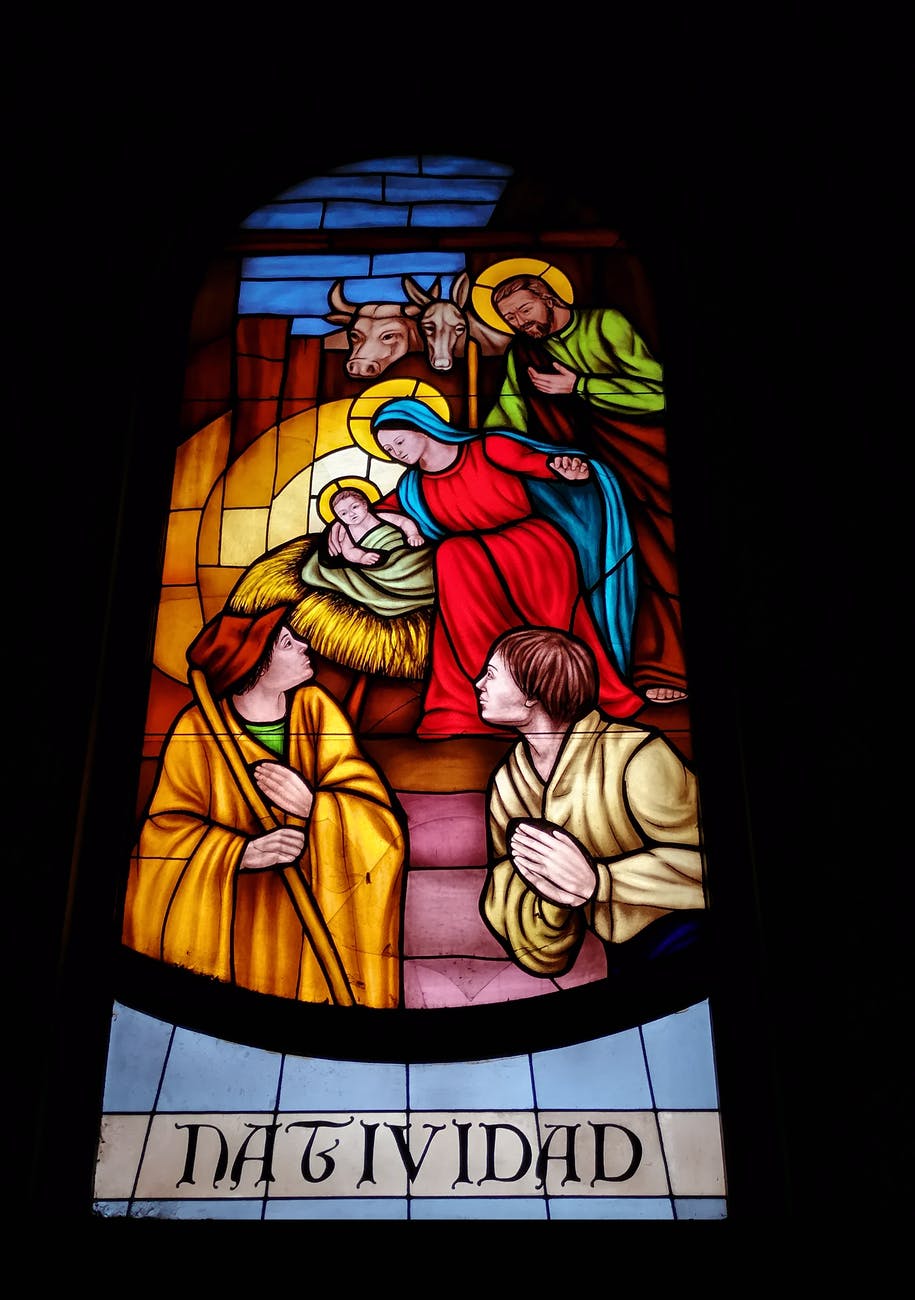
The birth of Jesus (Christmas Day)
The baby Jesus being shown to the rest of the world (Epiphany)
Jesus going up to heaven (the Ascension)
The Body and Blood of Jesus (Corpus Christi)
Mary, the mother of Jesus, is received into heaven (the Assumption)
Saints Peter and Paul
All Saints Day
In some countries, Catholicism is the main religion. On these special days, people are given a bank holiday, so schools have a day off.
In England only some are holidays. When people are at work, there are Masses at different times, including the evening, to make it easier for people to attend.
When the date falls on a Saturday or a Monday, the Mass is usually celebrated on the closest Sunday.
Communion: A sacrament commemorating the Last Supper.
Do you have special things that you remember every year?
Perhaps you remember birthdays or Christmas?
How do you celebrate these special things?
For Christians, one of the most important things to remember is how Jesus died on the cross to save them. The way that Christians remember this is through a special meal that they call Communion, Mass or Eucharist.
Communion is based on a real event, known as the Lord’s Supper. On the night before Jesus died, he had a special meal with his disciples: the Passover meal. Jews ate a Passover meal every year to celebrate how God saved the Israelites from the Egyptians in the time of Moses. This is the time when they escaped from Pharaoh to live in the promised land.
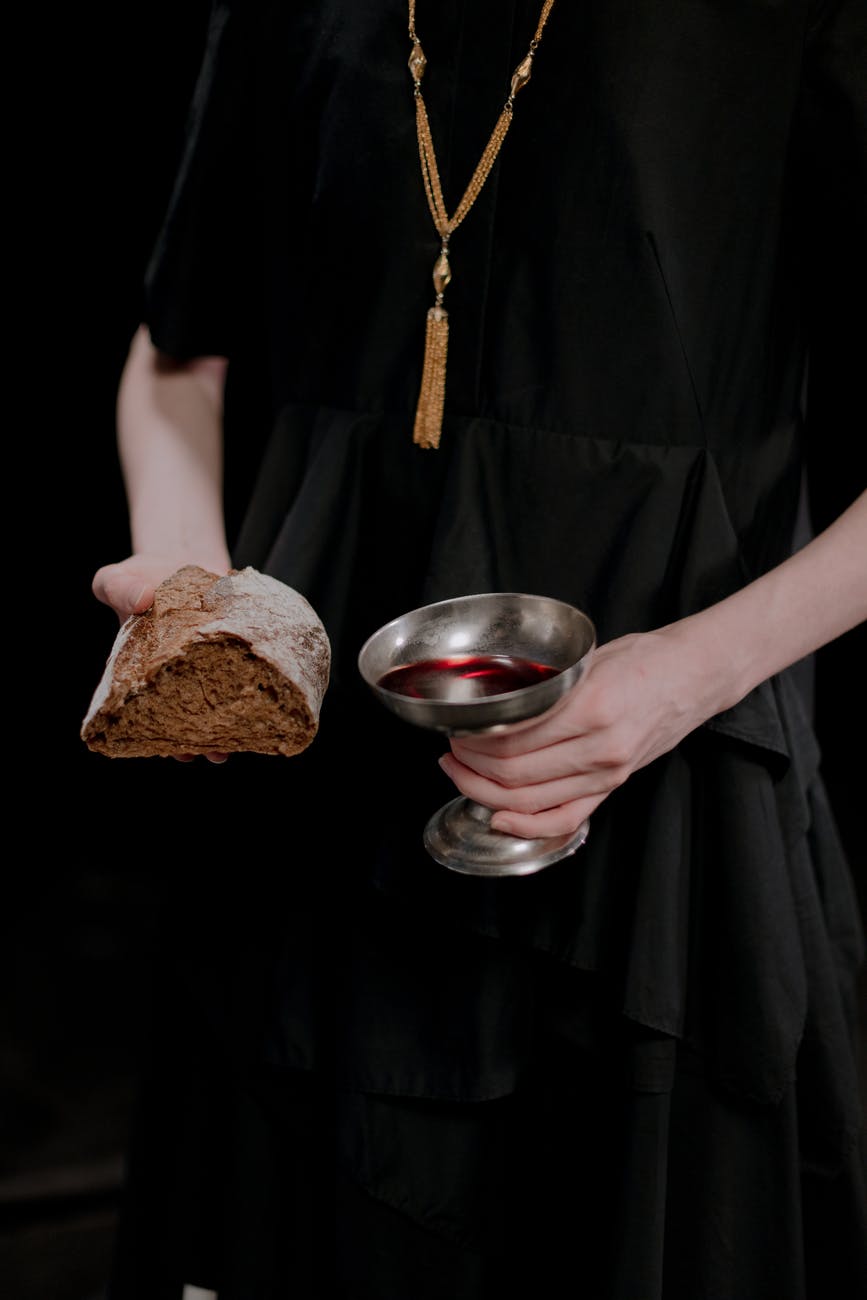
During the Lord’s Supper Jesus broke bread and drank wine. He told them that they were to do the same, to remember him and the sacrifice he was about to make; dying on the cross. The bread represents Jesus’ body, broken. The wine represents the blood that was spilled when he was killed.
When Christians celebrate communion they are reminded of the mystery of salvation, which brings them closer to God.
They remember Jesus this way because at the Last Supper Jesus gave instructions to his disciples about it. Here is the text from Luke 22:14-20
The Lord’s Supper
When the hour came, Jesus took his place at the table with the apostles. He said to them, “I have wanted so much to eat this Passover meal with you before I suffer! For I tell you, I will never eat it until it is given its full meaning in the Kingdom of God.”
Then Jesus took a cup, gave thanks to God, and said, “Take this and share it among yourselves.I tell you that from now on I will not drink this wine until the Kingdom of God comes.”
Then he took a piece of bread, gave thanks to God, broke it, and gave it to them, saying, “This is my body, which is given for you. Do this in memory of me.”
In the same way, he gave them the cup after the supper, saying, “This cup is God’s new covenant sealed with my blood, which is poured out for you.“
Watch these videos to gain a better understanding of Communion and to see how it is celebrated in Anglican and Catholic churches.
Poverty is much more complicated than just having no money. In our guest blog, Jane shares her reflections of the complexity of the issue, following her encounter with people much less well off.
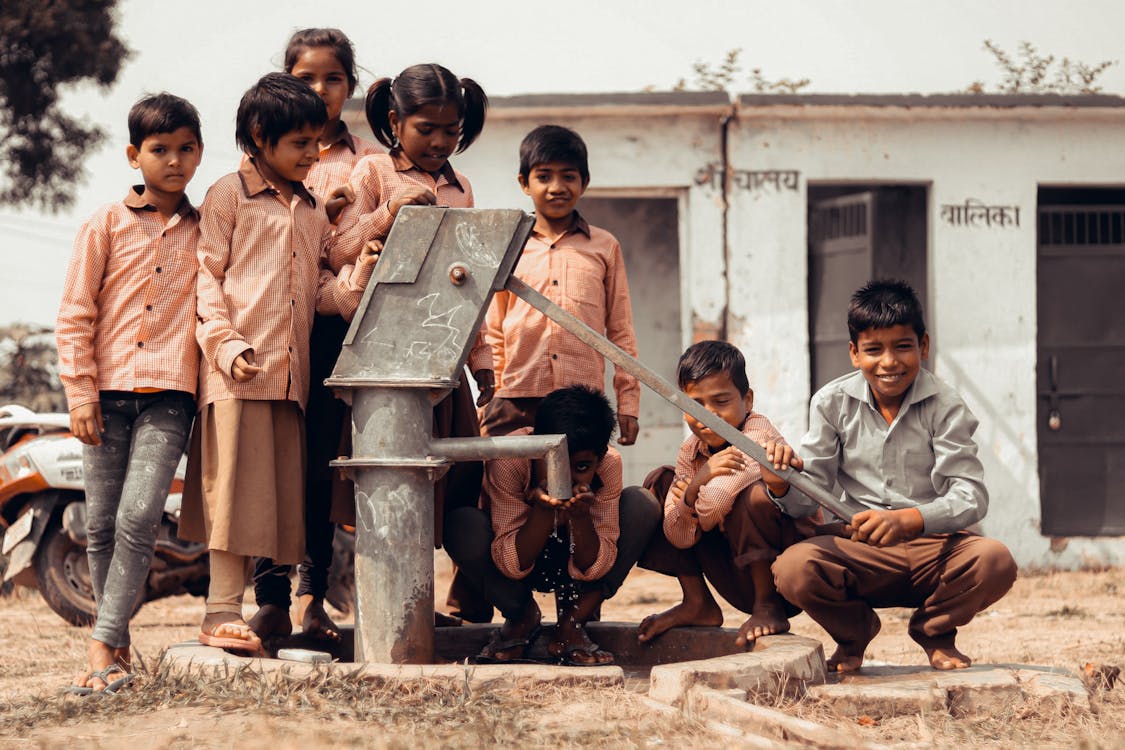
“I worked in Africa with Tearfund, and have also visited India. I came face to face with poverty. In India the railway children really shocked me, living in such awful slums.
“My first reactions to poverty were mixed and hard to pinpoint. Firstly, horror that human beings could live in such a state. I perhaps hoped that in some way they were different and knew no better, so did not mind. Then I felt total helplessness, feeling that I could do nothing to change the situation.
I felt like an outsider looking in, but not really comprehending all I saw. Added to all this was a feeling of guilt that by comparison, I am so rich.
“I wonder how you would react living with people who only had one good set of clothes that they wear with pride to church on Sundays? The rest of the week they wear a t-shirt full of holes and walk barefoot. This is not as a fashion statement – that’s just all they have.
“I certainly felt quite guilty being part of the ‘haves’, living amongst the ‘have-nots’. The statistics say one-third of the world’s population uses up two-thirds of the world’s resources. The fact is, you and I are part of that privileged third. It certainly is not fair, why do we have so much and they have so little? Do I have any responsibility towards others less well off?
WHAT IS POVERTY?
“Poverty is not just a shortage of money. Poverty is a web of interrelated circumstances that leaves the person feeling trapped and helpless to break out. Poverty is about people whose day-to-day struggle to survive leaves them with no energy, people who are voiceless in society, and who lack the power to make choices and so change their circumstances.
NIGERIA
“I often felt frustrated that I was not able to do more to help. I would love to rush in with a magic wand and make their life easier. But would them having a Father Christmas figure really help them and their self-respect and dignity as children made in the image of God? Tearfund’s motto is “Christian action WITH the world’s poor,” and that’s what I had come to do – to work with Nigerians to empower and enable them to help themselves and their community.
“In the wet season, I had a system that collected rainwater off the roof of my house into a tank. If I was sparing with this, I could get through a large part of the dry season without having to collect water from the river. A good system, but what would I do if someone knocked on the door to ask for a drink of water? Easy. The Bible says to give it to them. But what about 20 students each coming for a bucket of water – what would you do?
“I survived the isolation and poor living conditions by going every 6 weeks for a two-hour drive to the capital. I would visit the swimming pool at the Sheraton Hotel, where there were wonderful hot water showers and beautiful relaxing surroundings. But I lived with people who may never have been to the capital – was it wrong for me to go?
LIFE CHANGING
“Poverty is about lack of choice. Having come home I found the scope of choices that faced me each day overwhelming. I remember going to Boots to buy a toothbrush and coming away without one. Did I want nylon or bristles? Hard, medium or soft? What shape did I want? What colour?
“These experiences have changed my life. Now I live by a few simple questions. How can I help give a voice to the voiceless? How can I help give people the tools and skills to be able to change their situation? How can I enable local Christians to reach out in Jesus’ name and tell the poor they are not forgotten, they are loved and precious to God?
“I learned that what people valued was to have time to listen and care for each other. I may be rich materially but what about the time I have for other people? I learned how much people valued time spent with them to bring their concerns and needs to God in prayer, a God who did literally give them their daily bread. In the Bible, Jesus reached out and touched the man with Leprosy (Luke 5:13). He got involved.
“The people I met in Africa were so thankful for the little they have, saying grace before meals to thank God for his care. But in the UK, where we have so much, do we ever stop in the rush of each day to thank God for all he has given us?”
Is it possible to imagine a world without the media? Think about your typical day. You might listen to the radio while in the car. You may walk everywhere but listen to a podcast or music streamed via the internet. You will inevitably pass billboards featuring large adverts wherever you go. Newspapers and magazines await you at the checkout of the local shops. A typical evening at home might involve checking Instagram on your phone while sitting in front of the TV. The media is everywhere, and it’s usually very loud.
TV, radio, the internet, newspapers and magazines give us information at our fingertips. But not just information. It shapes our values and our culture through the messages it promotes. Newspapers have famously taken credit for influencing national elections.
Films and TV programmes are regularly blamed for poor behaviour among young people. And increasingly, comments thoughtlessly written on social networking sites have led to tragedy. The media is a powerful force in the 21st century.
As such, many Christians have questioned how they ought to respond to it. Is it an enemy, promoting values that are anti-Christian and mock the faith? Or does it provide an opportunity to speak to millions across the country, and even the world? Can it be an instrument for change and a force that can bring a lot of good?
How do Christians respond to the media?
In summary, there are three responses that Christians have made to the issue of the media.
Some Christians protest against aspects of mainstream media. They see it as part of their Christian duty to stand up for what they consider good and true. High-profile examples might include the criticism of ‘Jerry Springer – the Opera‘, considered blasphemous in its depiction of Jesus, Mary and God. In its day, Monty Python’s ‘The Life of Brian’ was boycotted by Christians who felt it mocked the person of Jesus, his teachings and death on the cross. They may choose to avoid certain newspapers that contain material considered unsuitable (e.g. topless models).
Some Christians may choose to create their own media channels, which contain more ‘wholesome’ material. Companies such as United Christian Broadcasters (UCB) and Premier Radio operate digital channels that provide programmes offering worship, discussion, and Bible teaching. There is a range of Christian magazines, for example, Premier Christianity magazine, which offers stories and articles related to the Christian life.
Others, however, consider it important to contribute to mainstream media outlets and join in the debate and discussion they offer. The current Archbishop of York, Dr. John Sentamu, writes a regular column in The Sun newspaper. The BBC is bound to provide 155 hours of religious broadcasting as part of the license agreement. Many programmes that inform people about aspects of the Christian faith are produced by Christians themselves. These are often shown at Christmas or Easter times. Programmes here would probably draw a wider audience than those shown on exclusively Christian channels.
There’s no denying Christmas holds a special place in many people’s hearts. But why? For some, it may be the chance to party with friends and family. Others might cherish the opportunity to reflect on the important things in life, like being generous to others. But for Christians, the reason is much more dramatic.
The name gives a big clue to what makes Christmas so significant. ‘Christmas’ comes from ‘Christ’s Mass’, the Church’s traditional feast day to celebrate the birth of Jesus Christ. Birthdays always give good cause for a celebration. But Jesus’ arrival on earth is much more significant to Christians than the birth of an outstanding teacher and leader.
For Christians, Christmas marks the arrival of God himself on earth, in the person of Jesus. This is known as the incarnation, which comes from the Latin word ‘carnis,’ meaning flesh.
How does the Bible support this?
The story of Jesus as ‘God in the flesh’ is found in the first four books of the New Testament. It is summed up in this verse from the Book of John, found in the New Testament of the Bible:
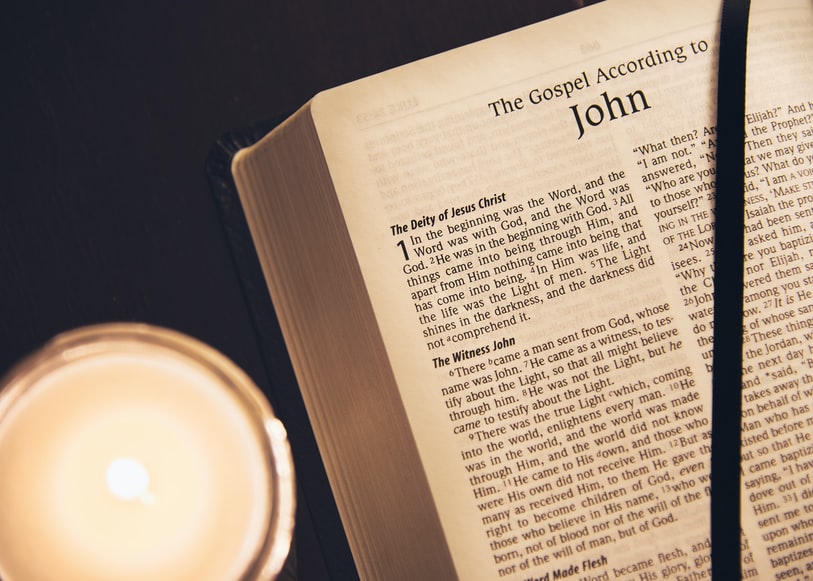
‘The Word [God] became flesh and dwelt among us’ John 1:14
In other words, the God of the Universe – the all-powerful, all-loving Being who created the world and everything in it – chose to become a tiny baby. Although never ceasing to be God, he knew exactly what it was like to be a human, for good and for bad. He made friends; he found enemies. He knew joy and sorrow. He laughed and got angry. He experienced childhood, and as Easter reminds us, he died.
Why did God visit the earth in human form?
After all, a God might reveal themselves to people without ever having to limit themselves to a human body. Christians believe that Jesus’ time on earth is one episode in a much bigger story that goes back almost to the beginning of human existence.
This is a story that begins with the episode often known as ‘the Fall’, found in Genesis. This is explained in greater detail elsewhere on the site, but essentially it is the belief that God made people be in a good relationship with him and the world around them, but that people chose to reject God, with dire consequences for all humans and the world around us.
However, the Bible shows that God did not leave things here. He set up a pact or covenant with a chosen group of people, the Israelites. He called them to be a light to the world, to demonstrate a way of living that honoured Him and others. This episode is described in the story of Abraham and continues through Moses, to whom God gave His law.
Prophecies
The Old Testament is full of stories about this relationship between God and His people. Often, the Israelites got things wrong and rejected God’s commands. When this happened God spoke to them through prophets such as Isaiah and Jeremiah, urging them to return to the right path.
But there are many prophecies in the Old Testament that hint that God had another plan in hand. The prophets talk about Messiah that God would send to be the final salvation for Israel and the wider world. One of the gospel writers, Matthew, refers to some of these prophecies when he describes the birth of Jesus. One of the most famous is found in Matthew 1: 23:
‘The virgin will conceive and give birth to a son, and they will call him Immanuel.’
This verse comes directly from the Old Testament prophecy of Isaiah, Chapter 7:14. Immanuel literally means ‘God with us’. This is a promise, not just that God would send somebody special, but that he would come himself in human form, God ‘incarnate.’
Salvation
But why did God himself come to earth? What was wrong with using prophets to tell people what they needed to do to get right with God? The answer lies in what Jesus came to do.
Christians believe that Jesus came to show the way to salvation, that through His death on the cross everyone can have a restored relationship with God, like the one God originally intended when He first created Adam and Eve, They believe that ultimately Jesus came to BE the way to salvation. This is known as atonement.
Christians believe that, since the Fall, all humans are sinful, living in a way that rejects God. They believe that there is a price to pay for this sin, but that because God is loving and merciful, He found a way to pay that price on our behalf. Only a perfect human could pay the price for humankind’s sin, and so Jesus, who was God, came to be that perfect sacrifice. There are some verses found in John’s gospel that sum up this belief:
“For God loved the world so much that He gave His only Son, so that all who believe in him may not die, but have eternal life. For God did not come into the world to condemn the world, but to save the world through him.” John 3:16-17
In other words, Jesus came because God loves the people he made. Because of Jesus, every person can know a new life with God.
Why is the incarnation important?
The incarnation is important theologically, as a way of explaining how God’s big salvation plan works. But for Christians, it is also important on a more personal level.
Different people think of God in different ways. Some may think of God as a remote force that is ‘out there,’ something that started the world and then took a back seat. Some may think of God as a judge who sits on a throne in heaven, rewarding good behaviour and punishing wrongdoing.
But Jesus taught that if people have seen Him, they have seen God (John 14:9). So Christians believe that if they want to know what God is like, they need look no further than the stories of Jesus found in the Bible.
How does this help Christians?
This picture provides comfort to many Christians. Jesus is a model of compassion, healing the sick and bringing sight to the blind. He notices people that everybody else overlooks, for example, children, the disabled. He speaks in a language that people can understand, using everyday images and situations in his teaching. He knows what it means to make and to lose friends.
And, perhaps most comforting of all, Jesus knows what it means to suffer. The Easter Story shows how Jesus is betrayed by a friend and abandoned by the rest. He is misunderstood. People lie about him. He is humiliated. And then he feels the pain of death. So when Christians pray, they believe that they are talking to somebody who understands what they are going through in their best and worst times. The Letter to the Hebrews, found in the New Testament, puts it this way:
“For we do not have a high priest who is unable to empathize with our weaknesses, but we have one who has been tempted in every way, just as we are—yet he did not sin.Let us then approach God’s throne of grace with confidence, so that we may receive mercy and find grace to help us in our time of need.” Hebrews 4:15-16
Samaritan’s Purse (UK & Ireland) is an international relief and development organisation that works through local churches to proclaim and demonstrate the love of God amongst communities in need in 18 countries across Africa, Eastern Europe and Central Asia.
The organisation was founded after World War II, when Bob Pierce, an evangelist and journalist with Youth For Christ, began traveling throughout Asia for work.
While in China he stumbled across some courageous women who were living among leprosy sufferers and orphans, sacrificing everything to share the love of Jesus Christ. Through their selfless love, God gave Pierce a vision for ministry. He dedicated himself to finding and supporting other such Christians who were caring for the poor and suffering across the world.
Samaritan’s Purse UK
Billy Graham launched Samaritan’s Purse UK in 1990 following his visit to Scotland. After just twelve months, Samaritan’s Purse UK had a support base of over four thousand people from a cross-section of individual Christians and churches in the UK.
In 1995, Operation Christmas Child, a children’s charity, announced its merger with Samaritan’s Purse. Since 1995, the organisation has gone from strength to strength, starting new development initiatives in Africa and Central Asia. It also takes part in the global Samaritan’s Purse response to humanitarian disasters such as the Darfur Crisis, the South Asian Tsunami, the Pakistan Earthquake, the Myanmar Cyclone, and the China Earthquake.
What does Samaritan’s Purse do?
When disaster strikes Samaritan’s Purse is often one of the first agencies to respond with mobilised Disaster Assistance Response Teams (DART). Speed is of the essence to prevent survivors from further danger, give medical assistance to the injured, vaccinate people, along with providing the basics of food, clean water, shelter and sanitation.
Samaritan’s Purse supports and facilitates projects to provide:
Safe water supplies through access to clean water or filtration systems.
Sanitation and Hygiene training and workshops.
HIV awareness, understanding and training.
Improved health and nutrition, education and human rights support to orphans and vulnerable children.
Livelihood projects including business enterprise, savings and loan schemes, production improvement and technical and financial management skills.
Supporting the elderly and disabled with practical help of home repairs, cooking, companionship and income generation activity.
Most people have experienced some form of community worship at some time. Whether that’s in a religious building, a prize-giving ceremony, a school assembly with a thought for the day or even celebrating together at a football match or gig. You get excited and can’t help shouting out for joy!
It’s the same for Christians; they get excited about how good God is and this results in them worshipping him.
How do Christians worship?
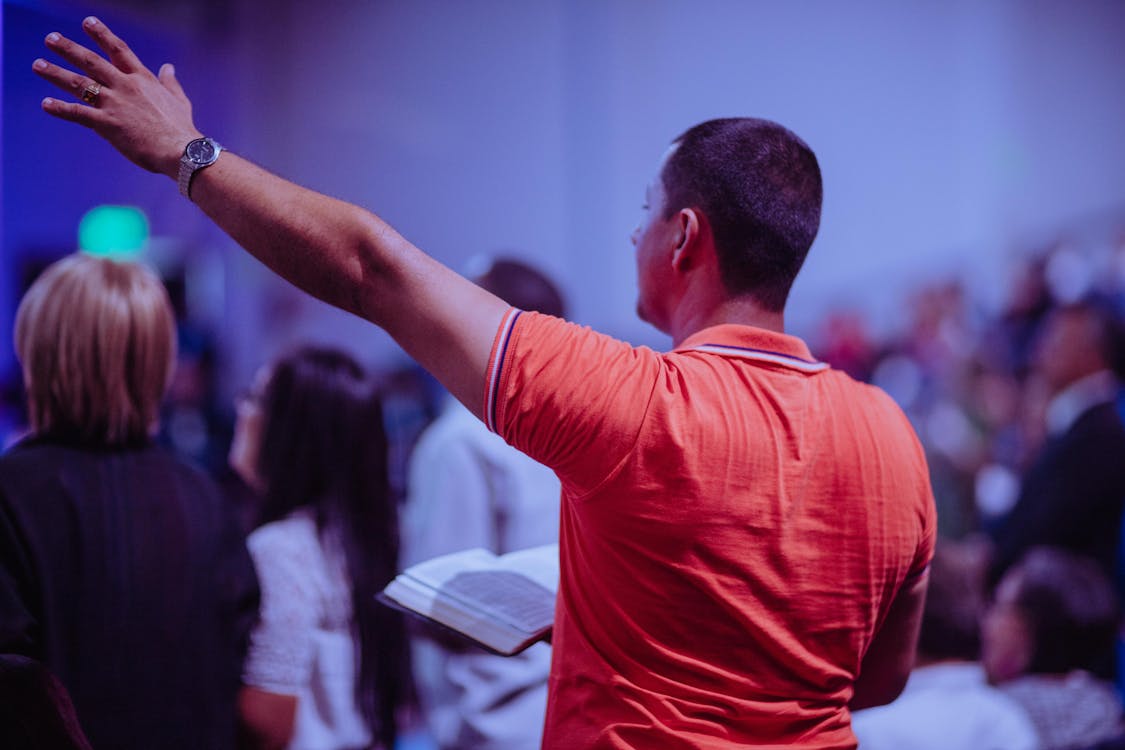
Sometimes they worship God on their own; other times with a group of friends. Every Sunday, and at other times of the week, Christians worship God together in church.
Each church worships in its own way; the style isn’t important. What is at the heart of the worship is the important thing: Love for God.
Worship can be structured, having a fixed form of words and prayers, which is known as liturgical worship. Priests may use incense, choirs may sing hymns and communion might be celebrated (also known as the Eucharist).
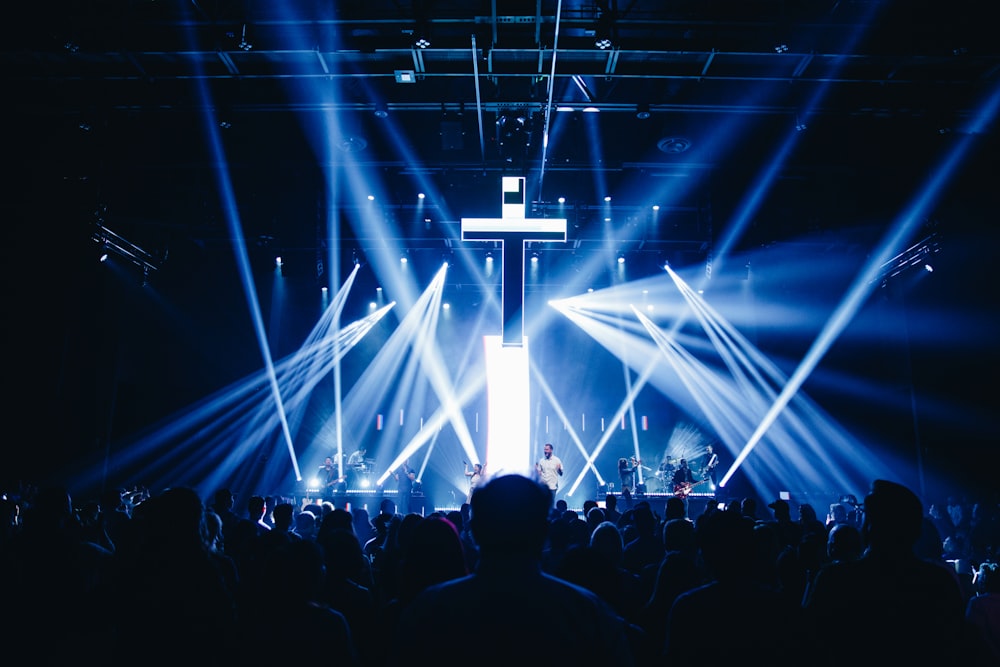
Some churches have worship that is less structured, which is known as non-liturgical worship. They will include music that is led by a band, complete with drums and electric guitars. People may pray out loud, read from the Bible. dance and clap. Sometimes there can be a party atmosphere, especially if it’s a special time of year like Easter or Christmas.
Some churches, such as the Quakers, meet in silence and speak or sing when they feel God prompts them to.
Why do Christians have community worship?
By worshipping together the church community experiences fellowship with God and each other. In the words of St Paul come together as “the body of Christ”.
Christians believe that it’s important to encourage each other, pray for each other, support each other and help each other in their journey of faith.
Spending time with people is a very human thing to want to do. Worshipping together provides a sense of connectedness for Christians. It helps them to love one another, and others in their community. It also reminds them of the wider world community, that, ultimately, they are brothers and sisters together in God’s family.
Have you ever been part of setting up a new club at school? If you have you will know that when a new club starts, there are some things that need to be decided such as:
When it will meet
What will happen there
Who can come along
Rules that members have to follow.
You might even decide to write down some of these things so that people understand what your club is about.
WHAT IS THE APOSTLES CREED?
After Jesus was raised from the dead and then went to heaven, his followers began a ‘new club’ that we now call the Church. The Church began with just a few people in Jerusalem but that soon changed.
Quickly the number of people who were part of the Church grew and there were members in many countries all around the world. Members were given the name Christians because they believed in Jesus Christ and followed his teaching. Some of them met together in special buildings, others in houses, and some even met outside by rivers.
Some of the early Christian leaders decided it was important to set out guidelines for these new Christians to follow. A lot of these guidelines were in the form of letters to the Church, many of which can be found in the New Testament.
As well as the letters some leaders also met together and wrote ‘The Apostles’ Creed.’
A creed is a statement that sets out the beliefs and guidelines of the Church. Having a creed in place meant that other people couldn’t come along and cause trouble by teaching things that were wrong and went against what Jesus himself had said.
And amazingly, thousands of years later, the Apostles’ Creed is still used by Christians today to show what they believe.
Continue reading to find out about one of the most famous creeds written by the early Church.
THE APOSTLES’ CREED
I believe in God the Father Almighty, who created heaven and earth.
Christians believe in the Trinity – that is God in three parts – God the Father, God the Son, and God the Holy Spirit. They also believe that God created heaven and earth.
And in Jesus Christ, His only Son, our Lord. He was conceived by the Holy Spirit and born of the Virgin Mary; He suffered under Pontius Pilate, was crucified, died and was buried. He descended into Hell and on the third day He rose again from the dead; He ascended into heaven and sits on the right hand of God the Father. He will come again to judge the living and the dead.
Christians believe that Jesus is God incarnate. That means he is God in human form. The incarnation is celebrated by Christians at Christmas time.
Another important festival for Christians is Easter. This is when they remember Jesus being arrested, dying on the cross, and being put in the tomb but rising again from the dead (the resurrection).
After the resurrection, Christians believe that Jesus ascended to heaven but that one day he will come back again. When Jesus returns, it will not be as a baby but as a king who will judge all people that have ever lived.
I believe in the Holy Spirit.
Christians believe the Holy Spirit is the third part of the Trinity. When Jesus was on earth, he promised his disciples that once he had returned to heaven that God the Father would send a helper, the Holy Spirit, who would give them the power to do the things that he had done whilst he had been on earth.
Christians celebrate the coming of the Holy Spirit in this special way at Pentecost.
I believe in the Holy Christian Church, the Communion of Saints, the forgiveness of sins, the resurrection of the body and the life everlasting. Amen.
The Bible does not talk about many churches but one Christian Church. The Church is not a building, as we often think about it, but instead refers to the Christian people wherever they are in the world. The Communion of Saints simply means all Christians together believing the same thing and following the same way of life.
Forgiveness of sins is an important belief for Christians because they believe that all people fail to live how God wants them to. This means they argue, they fight, they use words they shouldn’t, and hurt themselves and others – this is sin.
Christians believe however that God is all-loving and forgiving and if a person says they are sorry he will forgive their sins. Finally, Christians believe that there is more to life than they can touch and see. They believe that when they die that isn’t the end but there is a promise of everlasting life.
Think…
What things would you put into a creed if you wrote one about your own beliefs?
All Christians believe in the afterlife, that death is not the end. However, depending on the denomination they belong to, they have different views about what the afterlife is like. This resource explains different key terms, along with exploring the reasons for different Christian views.
THE SOUL
All Christians believe that when death occurs, it is not the end. They believe that the soul – the spiritual part of a person – is immortal, living on for eternity.
HEAVEN
The Bible makes reference to a place in the afterlife called ‘Heaven,’ but there isn’t a description, so people across the centuries have imagined what it is like. Some Christians view it as a physical place, but many believe it is a spiritual place, one where they spend time with God forever. One thing that all Christians agree on is that Heaven will be a perfect place, with no illness or suffering. The Bible states:
‘God himself will be with them, he will remove all of their sorrows, and there will be no more death, or sorrow, or crying or pain.’ Revelation 21: 3-4.
HELL
Christians believe that Hell is a place where people go if they’ve made bad life choices, and have not repented of their sins, or accepted the salvation and forgiveness God offers through Jesus’ death on the cross. Hell is seen as a place of great suffering and pain.
Jesus taught:
‘Do not be afraid of those who kill the body but cannot kill the soul. Rather, be afraid of him who can destroy both soul and body in hell.’ Matthew 10:28
RESURRECTION
Resurrection means to come back to life from the dead. Jesus, himself, was resurrected after he was crucified, Many Christians believe that their bodies will be resurrected at the ‘Last Judgement,’ when they will face God and be judged for the choices they have made in their lives.
This is why some Christians choose to be buried instead of being cremated; they believe they need to keep their physical body whole, ready for this occasion. They believe this because of teachings from their church, and also because of what the Bible states.
‘And I saw the dead, the great and the small, standing before the throne, and books were opened; and another book was opened, which is the book of life; and the dead were judged from the things which were written in the books, according to their deeds.’ Revelation 20:12
Belief in bodily resurrection is also reflected in the Apostles’ Creed: ‘I believe in the resurrection of the body and life everlasting.’ You can read the full Creed by clicking here.
However, other Christians believe that it will be a spiritual resurrection, and draw on verses from the Bible and church teachings to support their ideas. For example, Paul wrote:
‘Our earthly bodies, which die and decay, will be different when they are resurrected, for they will never die. They are weak now, but when they are raised they will be full of power. They are natural, human bodies now, but when they are raised they will be spiritual bodies.’ 1 Corinthians 15 verses 42-44.
LAST JUDGEMENT
Christians believe that God is loving and merciful, but they also believe he is a just God. This means that he is fair, and gives to each person what they deserve based on their choices in this life.
They believe that at the end of time there will be a ‘Last Judgement’ where everyone who’s ever lived will face God. At this time he will decide whether someone will enter Heaven or Hell. This is based on whether they have chosen to accept the opportunity of salvation and forgiveness offered by God, through the death of Jesus on the cross.
There are a number of verses that support this belief in the Last Judgement, including:
‘…but they will give account to Him who is ready to judge the living and the dead.’ 1 Peter 4:5
‘For we must all appear before the judgement seat of Christ, so that each of us may receive what is due us for the things done while in the body, whether good or bad.’ 2 Corinthians 5:10
PURGATORY
The Roman Catholic Church teaches that people go to Heaven and Hell, however, it also teaches that when someone dies, they go to a place called Purgatory first. They are not allowed to enter Heaven until they’ve spent time in Purgatory, which is a place where people are sent to prepare them for Heaven.
Roman Catholics believe that, when a person dies, they may still have sins or be too attached to their earthly life. Just like you wouldn’t go for a Christmas dinner unwashed and in filthy clothes, Catholics believe that you shouldn’t go to meet God in Heaven with any sin or attachments to earth. This is where Purgatory comes in; it is a place where people are cleansed of all sins
There is no teaching in the Bible to support this, however, the Catholic Church has released statements in support of it:
‘All who die in God’s grace and friendship, but still imperfectly purified, are indeed assured of their eternal salvation: but after death, they undergo purification, so as to achieve the holiness necessary to enter the joy of Heaven.’ Catechism of the Roman Catholic Church para 1030, 1992
All Souls Day is an annual day of prayer and remembrance for the souls of those who have died. Catholics have dedicated this day to pray for the souls in Purgatory.