In the days leading up to his crucifixion and resurrection, Jesus visited the house of Simon, in Bethany. While there he was anointed by a woman with very expensive perfume. She poured it over his head as a mark of devotion. You can read about this event here in Matthew 26.
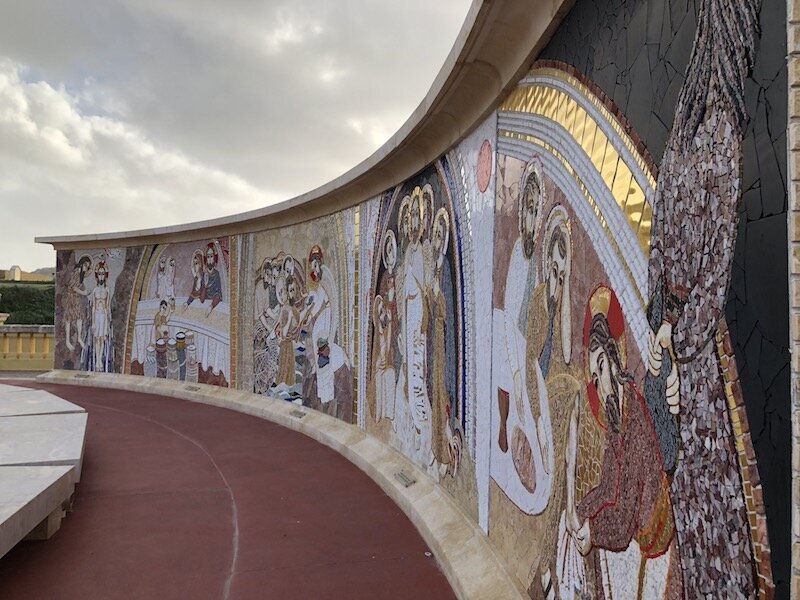
RE:QUEST recently visited Ta’ Pinu Sanctuary, on the island of Gozo, Malta. Here we photographed some spectacular mosaics that tell the story of Jesus’ life, death and resurrection.
Download a version of the PDF below of these images and print/laminate them to explore the life of Jesus with your students; a list of image titles is included on the final page of the PDFs.
They may be used in their entirety to explore the whole life of Jesus, or one or more images to explore a specific theme, for example, Easter.
1. MATCH ME: In pairs or small groups, students could be given a complete set of images and a set of image titles. They should first match the image title with the image. Secondly, they should then organise the images in chronological order. For students who need extra support with this task, ensure that they have been given a set of images that are numbered. Conversely, for more challenge, ensure that the images aren’t numbered.
2. SET THE SCENE: Organise the students into pairs, then give each pair an image that should be different to the rest of the class. If a small class, then select the images most relevant to the aims of the lesson. In pairs, the students should:
Research the scene they’ve been given; what is happening in the image? Why? To help organise their research, they could use the 5 Ws & H Researchsheet.
Evaluate: Why is this scene so important in the life of Christ?
Showcase their scene: Each pair explains what is happening in their scene and why it is an important part of Jesus’ life.
Optional class vote: Which is the most important scene from the life of Christ? Why?
In pairs or individually, students should wander around looking at the displayed images, completing the sheet, matching the image to the correct title. Check them off using The Life of Jesus Matching Activity Answers sheet.
Students could then create a timeline of Jesus’ life.
Evaluate: Which three events were the most important in Jesus’ life? Why? This could be a written response or paired/class discussion.
4. LEARNING RESOURCE: Students should read through the timeline of The Life of Jesus. They should select one event from Jesus’ life to research – or be given one – using the 5 Ws & H Research sheet.Once completed they should use the information to create a resource that informs younger students about the event. This resource should include facts, but also why the event was significant. Examples might include:
6. MAKING LINKS: Distribute individual images to students, one each or one to pairs of students (depending on class size). Students should find a pair or individual to compare their images with, making suggestions as to how their images are connected. Time each discussion for 2 minutes before moving them onto a different image/pair of students to compare their image with.
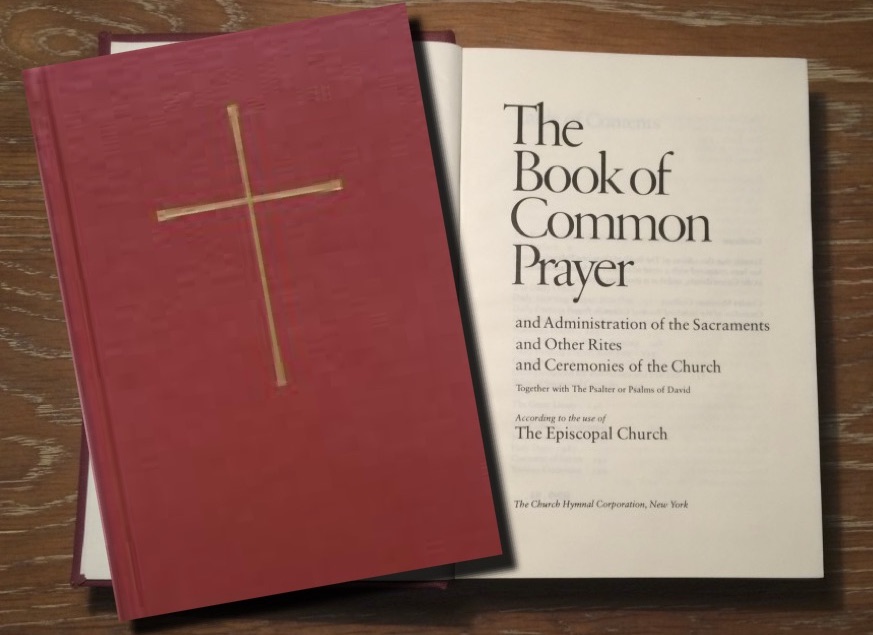
Book of Common Prayer: A permanent feature of the Church of England’s worship and a key source for its doctrine.
The Anglican Church enjoys liturgical and non-liturgical styles of worship and prayer. Liturgical worship and prayer is much more formal, with set songs and prayers. During services, many Anglican churches read from the Book of Common Prayer, which was written for the Church in the 16th century.
The book contains instructions and set prayers for::
Sunday services
Infant baptism
Confirmation
Communion (the Eucharist)
Christian celebrations, such as Easter and Christmas
Visiting the sick
Funerals
The Book of Common Prayer has been a key source of doctrine (Church teachings about core beliefs), so is regarded as very important. Many Christians also value the book for its beautiful language.
The Church plays a key role in the local community and, as such, is viewed as very important. The four key roles it plays in the community are:
1. Centre of Christian Identity: The local church provides people in its community with a sense of belonging and Christian identity. It does this by organising events that bring people together. Examples of this might include:
Children’s clubs and youth groups, including Sunday School, where there are given opportunities to learn about God and mix socially with peers who have the same faith.
Social events and activities, such as coffee morning and fetes, where people can come together and share their faith.
Bible studies and Sunday services, where Christians can discuss their faith journeys and learn about God together.
2. Worship Through Living Practices: The local church provides opportunities for the community to celebrate special events such as Easter and Christmas. The church people mark special milestones in the life of their believers, on occasions such as baptism, marriage and funerals. These are known as rites of passage.
3. Ecumenism: Christians from different denominations in the local community try to develop closer relationships and better understandings. They encourage unity because of their core shared beliefs; they are all followers of Jesus so share a common bond. To show unity they might organise and attend local events together. They may even share buildings and join up for Sunday services or Bible study.
4. Outreach Work: Outreach involves Christians going out into their local community to serve the people within them. Many Christians devote time to volunteering; others choose to devote their career to community outreach. This might include:
Running projects which help the homeless.
Helping people recovering from addiction.
Providing support for families in the community, including single-parent support.
Becoming a chaplain, ministering to people in prison, hospitals and schools.
Running a food bank, distributing food to the poorer members of the community.
Mission: An important goal or purpose that is accompanied by strong conviction; a calling or vocation. Evangelism: The spreading of the faith through teaching about the religion and helping others.
A missionary is a Christian who is sent into an area to carry out evangelical work (share their faith) and/or other activities, such as helping people living in poverty by providing health care and education. The Church believes that mission and evangelism are important responsibilities because of Jesus’ instructions to, “Go throughout the whole world and preach the gospel to all people.” Mark 16:15
The early Christians were successful with their missionary work, evangelising to many people from different backgrounds. As such, the early Church grew very quickly and has continued to grow over the centuries.
This growth is because of the missionary and evangelical work the Christian Church continues to do today.
Local Mission and Evangelism
Churches across the world get involved in outreach to their local communities. They set up and fund community projects, along with providing volunteers to help run them. These projects might include helping the homeless, the elderly or providing support to vulnerable adults and children, such as the project run by Glasgow City Mission.
Food banks across the UK are often organised by churches in their local community, as are Street Pastors, who spend time helping people and praying for them.
They also run special events, both religious and social, in order to invite unbelievers to the Church. Many churches run an Alpha Course (see below). Some churches work together, uniting for the common purpose of serving the community. For example, these church networks may take over a local park and put on a special event for Easter. It might involve live music and drama, playing games and eating together.
National Mission and Evangelism
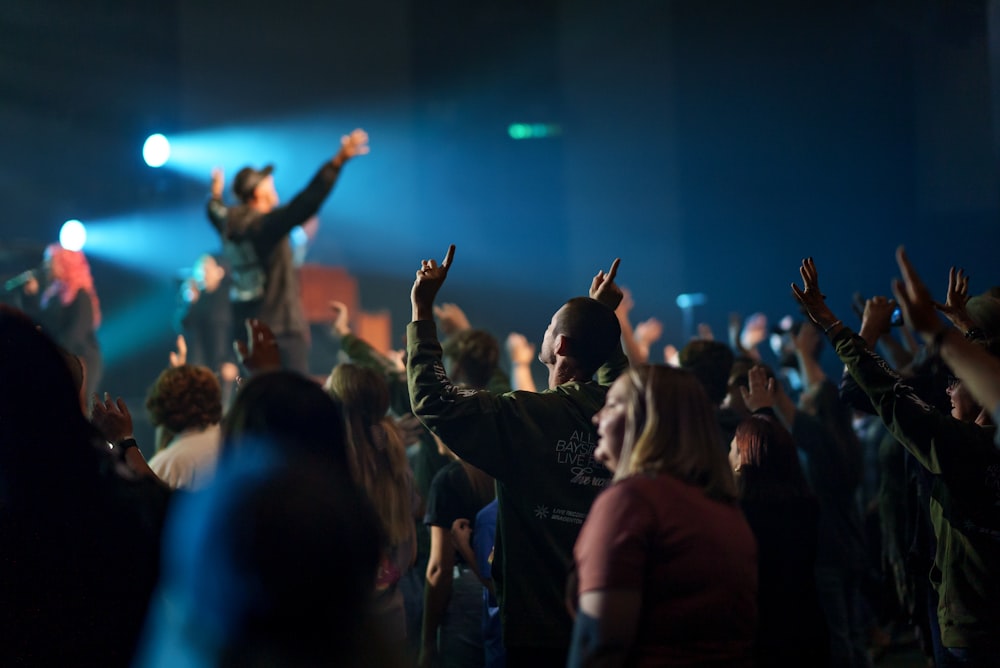
Churches across the UK are connected to each other, particularly those of the same denomination. There are very large events held by Christian groups, often welcoming those from different denominations. These may be conferences, charity and worship events.
During the summer months, special camps for young people are run, such as Dreaming the Impossible and Limitless. At these camps, young people come together from different denominations to play games, worship and listen to teaching about God.
There are churches and organisations which create ideas and opportunities for people to serve their local communities, such as the Salvation Army.
The Alpha Course is an Anglican initiative that is run by many churches across the UK. It has been created to introduce people to the Christian faith. Christians open up their churches, provide a meal, then discuss a different Christian topic each week. At the end of the course, people are invited to become Christians.
Global Mission and Evangelism
Lastly, there are Christian organisations that provide ideas and opportunities to evangelise in different parts of the world. Organisations such as Christian Aid, Tearfund and CAFOD encourage Christians to build a better world. People can go to much poorer countries to help build schools and hospitals, or drill boreholes so that communities can have access to clean water..
They might also show people how to be self-sufficient, teaching them how to set up a business for example, so that they can provide for their families.
Many of these activities, whether local, national and global, are designed to help people, whilst also introducing them to the Christian faith
When Christians want to understand what Jesus is like, they read the Bible. Within it there are many stories and examples of Jesus’ teachings that enable them to know what he is like and the way he feels about things.
The events of Holy Week, during Jesus’ last days, are significant to Christians as they help them understand how important Jesus was.
For example, they understand:
Who Jesus was: When they consider the miracle of his resurrection, they know that he was the Son of God, the Messiah who was prophesied about in the Old Testament.
God loves them: They understand that through Jesus’ death, God saved all of humanity and that through following him their sins can be forgiven, This shows them how much God loves them and gives them great comfort.
Life after death: Jesus’ resurrection and ascension also provide evidence of life after death. This fills them with hope for the future when they too will join Jesus in heaven.
Jesus’ sacrifice: All of these things lead them to have great respect for Jesus, along with giving them a desire to obey his teachings. Christians build their lives upon their understanding and love for Jesus because of the sacrifice he made by dying on the cross for their sins.
Communion: Jesus’ sacrifice is remembered by Christians around the world today when they take communion. The wine reminds them of the blood Jesus shed; the bread reminds of them of his body broken on the cross.
Atonement is important to Christians because it explains why Jesus died.
If you break the word up, you can see ‘at one’ at the start. Like this: ‘at-one-ment’. This is very fitting, because Christians believe that when Jesus died on the cross, they could become close, or ‘at one’ with God.
This is what Christians celebrate every year at Easter and at church each week.
But why were people far from God?
There is a big story in the Bible called the ‘salvation story’. The Bible begins with Genesis and the Garden of Eden. Adam and Eve lived there. God told them not to eat the fruit from the Tree of Knowledge, but they disobeyed Him. This led to the Fall, where Adam and Eve’s relationship with God was spoiled, leaving them far from God.
People have been disobeying God ever since.
In summary:
God made the world.
He made people to be in relationship with Him.
He wanted people to be friends and be kind to each other, to follow His Laws.
But people didn’t do as they were told. This is called sin.
Sin puts people far from God.
What does Jesus’ death have to do with this?
Christians believe that God sent Jesus – the Messiah – to die on the cross so that they didn’t get punished for their sins. Instead, Jesus was punished in their place.
This meant that they could be close to God again; Jesus paid the price for the sins humans committed, even though he was innocent of any wrongdoing himself. This was a ‘once and forever’ event; so Christians believe that through Jesus’ death everyone can experience forgiveness if they choose to accept Jesus.
This is atonement: people were once far from God but are now close to Him because Jesus died in humanity’s place.
You can read a higher version of this resource by clicking here.