Search results for: “easter”

  • Jesus: Key Questions Answered

    Free An Open Bible with Flowers and a Notepad Stock Photo

    Did Jesus really exist?

    Yes!

    The New Testament part of the Bible tells us about who Jesus was, what he did, and why. But other writings by people who weren’t Christians also talk about a man named Jesus. Jewish and Roman historians, such as Josephus and Tacitus, refer to Jesus in their writings, proving that he was a real person.

    In fact, there is more historical evidence for Jesus’ existence on earth than there is for the existence of Julius Caesar.


    Where is Jesus found in the Bible?

    There are four books in the Bible that talk in detail about Jesus – Matthew, Mark, Luke and John. They are found at the beginning of the New Testament and are known as the Gospels. They describe what Jesus said, what he did, and also tell the stories of his birth (the Christmas story) and his death and resurrection when he came back to life (the Easter story).

    Other books in the New Testament also talk about Jesus. For example, the book of Romans, written by St Paul, explains why Jesus’ death was so important for people on earth. Other books (for example, Philippians) help Christians to understand how they can start to live and act like Jesus.

    Christians believe that there are also passages in the Old Testament that talk about Jesus, even though it was written hundreds of years before Jesus was born! These are called prophecies, which are sayings that describe events that will happen in the future.
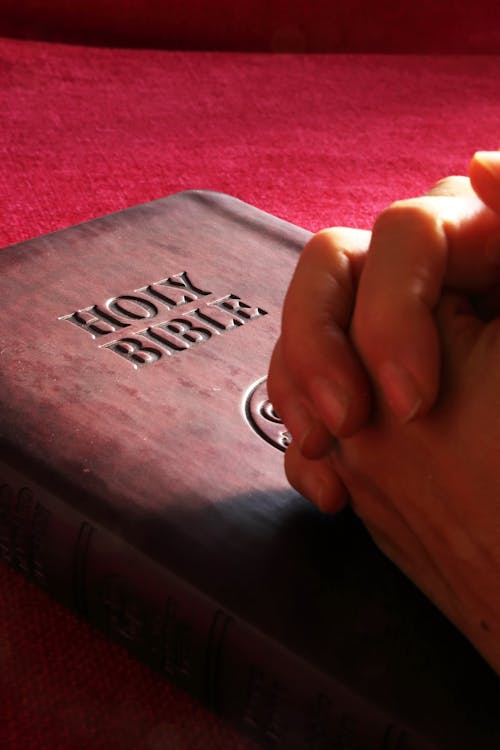
     

    Free Person Hands on Holy Bible Stock Photo

    What did Jesus say and do?

    According to the Gospels, Jesus lived most of his life in Nazareth, a small town in northern Israel, where he worked as a carpenter. When he was 30, he was baptised and started his ministry. He spent much time teaching people about God and performing miracles. He did this for three years. As a Jewish rabbi (religious teacher), Jesus had disciples. The most famous were the 12 young men who followed Jesus and shared every part of his life.

    The Bible also talks about a larger group of followers who he trained to do God’s work. They were not the only people interested in Jesus. Crowds of people would follow him to hear what he had to say and watch the miracles he performed. Jesus told people about his special connection to God.


    Was Jesus just a man or was he the Son of God?

    This is the biggest question about Jesus. It’s the question that the Christian faith is built on. Was he a remarkable man with some great ideas who was tragically killed for his beliefs? Was he a prophet sent by God? Or was he more than these?

    Christians believe Jesus was God incarnate, God in human form. They believe that even though he was the God of the universe, he chose to come to earth as a poor carpenter, to spend three years of his life showing people how to live God’s way. And he chose to die on the cross in order that people who believe in him can be forgiven by God.

    His disciples were convinced that he was the Son of God. They believed it so much that they spent the rest of their lives telling others and were willing to die doing so. And millions of Christians over the world today believe the same thing.


  • Jesus’ Life and Ministry

    JESUS’ FAMILY

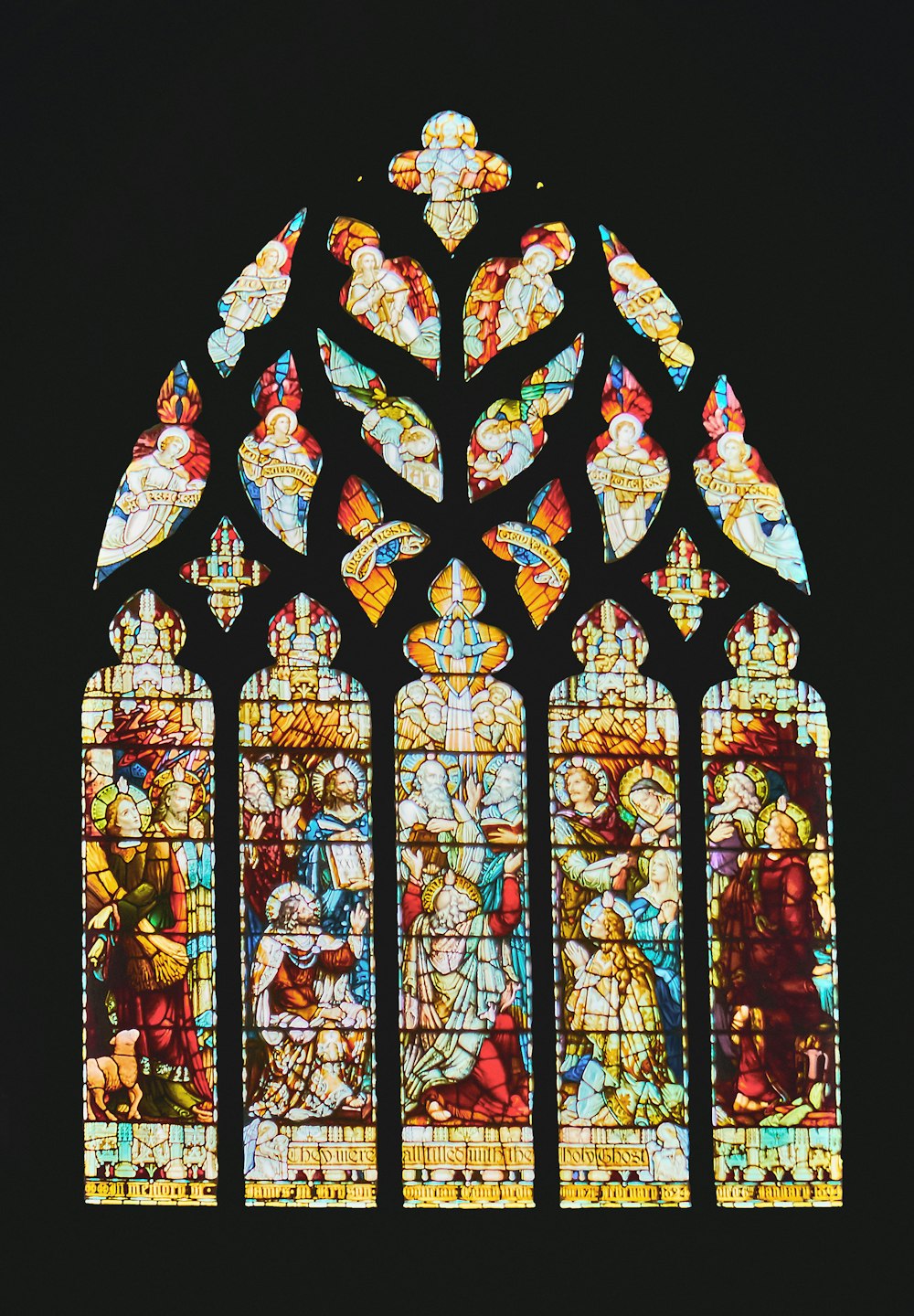
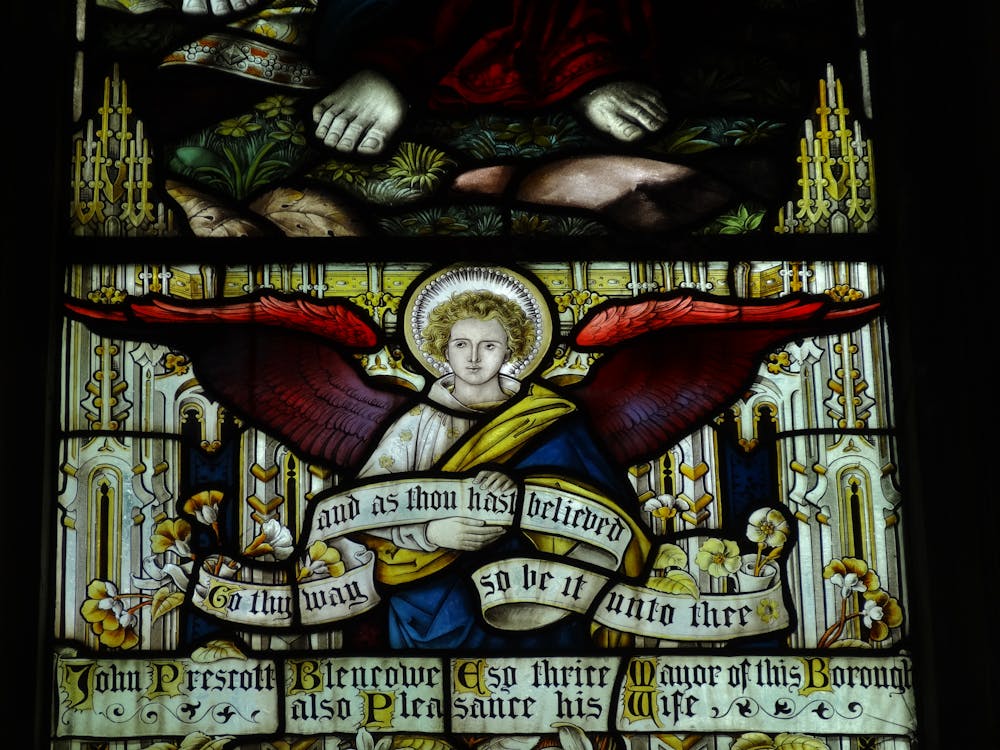
    Free Stained Glass in a Church Stock Photo

    Perhaps one of the most famous stories about Jesus is his birth:

    God sent the angel Gabriel to Nazareth, a town in Galilee, to a virgin pledged to be married to a man named Joseph, a descendant of David. The virgin’s name was Mary. The angel went to her and said, “Greetings, you who are highly favored! The Lord is with you.” … the angel said to her, “Do not be afraid, Mary; you have found favor with God. You will conceive and give birth to a son, and you are to call him Jesus.” (Luke 1:26-35)

    Mary and Joseph did marry and during the time the couple was in Bethlehem for the Roman census Mary gave birth to Jesus. For most of his life, Jesus lived in Nazareth, a small town in northern Israel where it is believed he trained as a tradesman alongside Joseph. Traditionally it is thought that Joseph was a carpenter. The Bible also tells us that Jesus had brothers and sisters:

    ‘Isn’t this the carpenter’s son? Isn’t his mother’s name Mary, and aren’t his brothers James, Joseph, Simon and Judas? Aren’t all his sisters with us?’ (Matthew 13:55-56)


    Free Religious Artwork Stock Photo

    JESUS’ MINISTRY

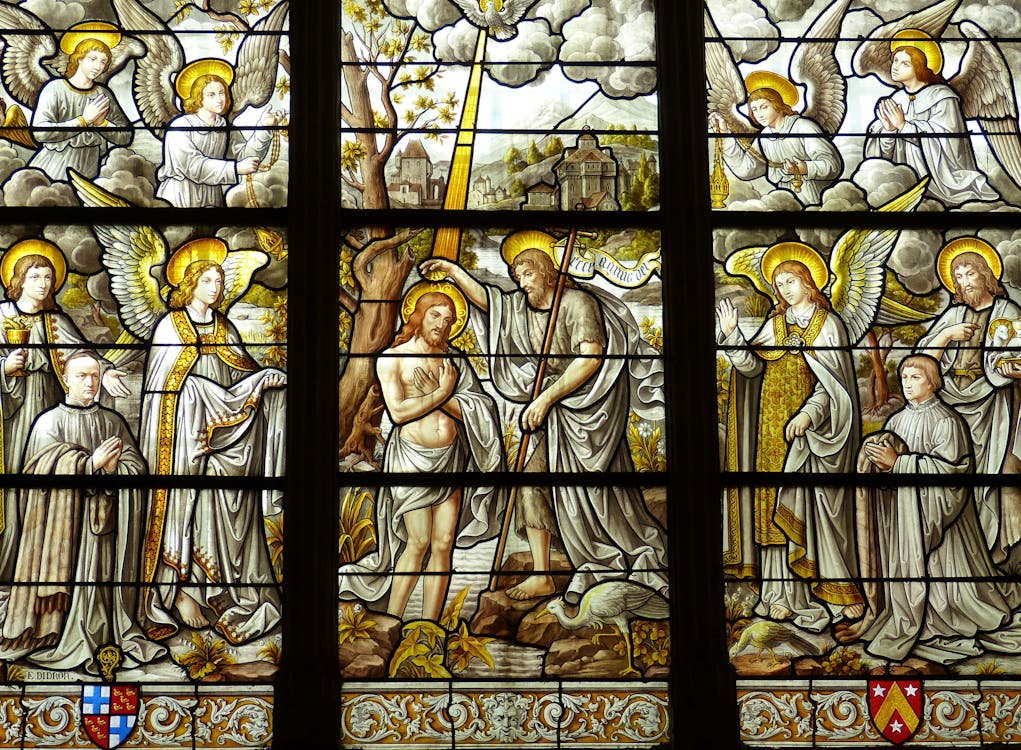
    When he was 30, Jesus was baptised by John in the River Jordan and started his ministry – teaching people about God and performing miracles. He did this for three years. During this time Jesus did not have a fixed home but travelled around from place to place. As a Jewish rabbi (religious teacher), Jesus had disciples. The most famous were the 12 young men who followed Jesus and shared every part of his life. The Bible also talks about a larger group of followers who he trained to do God’s work, and even mentions some women disciples.

    They were not the only people interested in Jesus. Crowds of people would follow him to hear what he had to say and watch the miracles he performed. But not everyone liked Jesus. Some members of the local religious communities were angry that Jesus criticised them for being hypocrites – people who tell people what to do but don’t do it themselves.


    JESUS’ DEATH AND RESURRECTION

    Christians believed that Jesus was sentenced to death and faced the Roman death penalty of death by crucifixion. However, they believe that this was not the end of the story as the Bible tells of how three days later Jesus came back to life again, appearing to hundreds of people and even sharing a meal with his disciples.

    Click here to find out more about the story of Jesus’ last week.

  • Miracles: Raising the Dead

    persons left hand on purple and pink light

    The gospels include stories of Jesus bringing people back to life, including the raising of Jairus’ daughter, and of his friend Lazarus.

    The story of Jairus’ daughter begins when Jesus is met by a large crowd on the side of Lake Galilee. The ruler of the local synagogue (the Jewish religious building), called Jairus, came to see Jesus and fell at his feet. He pleaded, “My little girl is dying so please come and put your hands on her so that she might be healed and live.” Jesus went with him, but the crowd was pressing around him.

    Jesus was followed by a woman who had had severe bleeding for twelve years, despite many doctors trying and failing to help her. People had told her about Jesus and she thought that this might be the one to heal her. She reached out and touched Jesus’ robe and was made well. Jesus stopped and asked who had touched and shyly the woman said it had been her. Jesus looked at her and said, “Daughter , your faith has made you well.”

    Just at that moment, people arrived from Jairus’s house, telling their master that his daughter was dead and that he should not bother the teacher Jesus more. Jesus turned to Jairus and said, “Don’t be afraid but believe” and they continued to the man’s house. Jesus took Peter, James and John inside the house. Everyone around Jesus in the house was crying.

    Jesus looked at them and said, “This child is not dead: she is just asleep.” The people there just laughed – could he be serious? Jesus went with the girl’s mother and father and went to where the child lay. He took her by the hand and told her to get up. The girl immediately stood up and walked. The family and disciples were amazed at what had happened in front of them.

    These stories about Jesus’ power over death were important in themselves, but they were also seen by the early Christians as clues to the fact that one day Jesus would defeat death when he came back to life on Easter Sunday – the miracle of the resurrection.

    You can watch a dramatised retelling of the raising of Jairus’ daughter here.

  • The Resurrection

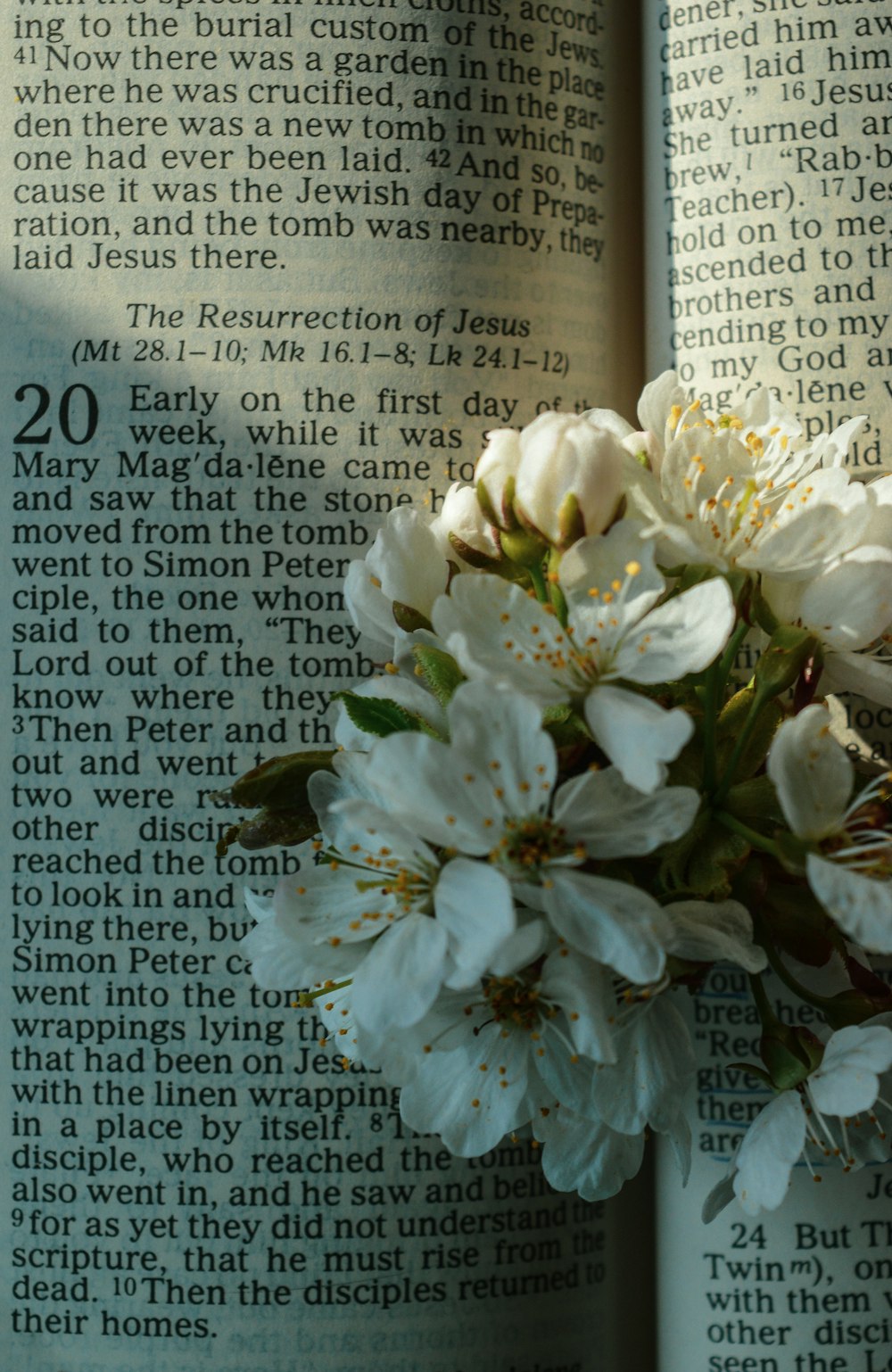
    white flowers on book page

    What happened on Good Friday is important to Christians. But Jesus’ death on Good Friday isn’t the end of the story. Christians believe that Jesus did not stay dead, but came back to life three days later on Easter Sunday. This is known as the resurrection.

    This raises a lot of questions. The big question for anybody hearing the story is: Did it really happen? Clearly, the first followers of Jesus thought so! And something must have made the disciples believe this. Nobody at that time believed that people rose from the dead like that. Even Jesus’ best friends needed a lot of convincing that Jesus had really come back to life! So what is the evidence?

    EXHIBIT A: The Empty Tomb The tomb where Jesus’ body had been placed on Good Friday was empty. Some people suggested that the body had been stolen. But who did it?

    All the people in power had an interest in producing the body if it had been taken from a tomb that they had sealed and guarded. To produce the body would stop the story of resurrection in its tracks. But no-one could produce it. Nor can we imagine the disciples stealing the corpse: had they done so, they would hardly be ready to face prison and even death for the sake of a lie.

    EXHIBIT B: What the People Saw

    In the Bible, the followers of Jesus claimed to have seen him. A real, living, man, not a ghost. St Paul writes in one of his letters to the church at Corinth (found in the Bible) about a time when Jesus was seen by ‘more than 500 of his followers at once, most of whom are still alive …’ (1 Corinthians 15:6). In other words, someone in Corinth who wanted to interview an eyewitness could still do so at the time Paul wrote.

    We, of course, can’t speak to the eyewitnesses. We can only read what they, and those they told about it, wrote down. But there is one more piece of evidence…

    white Good News Is Coming paper on wall

    EXHIBIT C: Changed Lives

    Something happened to turn a bunch of scared disciples into bold speakers who told the world about the resurrection. It must have been something really big to set in motion a movement that spread through, and beyond, the Roman Empire, and finally conquered its persecutors. The resurrection of Jesus Christ accounts for what happened later: nothing else can.

    Take Peter, for example. He was one of Jesus’ closest friends, but when Jesus was arrested he ran away. He was found hanging around the place where Jesus was being held a few hours later. Three different people asked if he was one of the disciples. Scared for his own life, he told them they were wrong – that he had never even met Jesus.

    But just a few weeks after the crucifixion, he had changed completely. Peter stood in front of thousands of people at one of the great Jewish religious festivals and told them: ‘God has raised this Jesus to life, and we are all witnesses of it’ (Acts 2:32). He began telling people to believe in Jesus and did so for the rest of his life.

    Find out more about why the Resurrection is so important to Christians here.

  • Christians United

    woman reading book

    There have always been different ideas around in the Christian Church. The Bible teaches that some things are really important – and on others, they can agree to differ. Churches are united in central beliefs – for example, those in the Nicene Creed – and in their central mission, explained in Jesus’ final commandment to his disciples:

    ‘I have been given all authority in heaven and on earth! Go to the people of all nations and make them my disciples. Baptize them in the name of the Father, the Son, and the Holy Spirit, and teach them to do everything I have told you. I will be with you always, even until the end of the world.’ (Matthew 28:18-20)

    In other words, Jesus asked his followers to tell people about him and to invite them to follow him and his example. The Great Commission is the number one priority for churches everywhere. The Bible says this about Christians:

    ‘We are all one body … There is only one Lord, one faith, one baptism and there is only one God and Father, who is over us all and in us all and living through us all.’ (Ephesians 4:4-6).

    In the UK, Christian churches are putting this into practice by meeting and working together in their local areas, under umbrella groups like ‘Churches Together‘ and the ‘Evangelical Alliance‘. Churches sometimes cancel their separate Sunday services and meet to worship together in one big venue. They also work together in all kinds of other joint projects – helping the homeless, opening a youth club, organising big events or distributing Bibles.

    Meeting Together

    When Christians from a town, city or even a country meet together to worship God, it helps them remember that ‘Church’ is bigger than their own building or community – that the Church is a group of people God has asked to show people who He is and how much He loves the world. Throughout the year, there are different Christian events that take place where Christians from different denominations meet to worship God and learn about him together. For example, over the Easter weekend, local churches may join together for a walk of witness through their town. Some cities host open air events at Pentecost, to reflect the original events 2000 years ago when the worldwide church was born. Christians from churches across the country may meet together for a Christian conference – for example, Spring Harvest, which is held every year in Butlins venues.

    Working Together

    Church is not meant to be only “upward-looking” – that is, only concerned about praising God in heaven. It is meant to be “outward-looking” too. Jesus taught that the most important thing people could do was to ‘love God with all your heart, all your soul, all your strength and all your mind’ and to ‘love your neighbour as yourself’ (Luke 10:27). An essential part of Christian worship is to look out for the needs of others, and many churches are joining together – in towns, in cities, or across the nation – to help those who most need it in very practical ways.

    For example, many food banks and homeless shelters are run by ‘parachurch’ organisations. These are organisations that are not tied to one denomination (e.g. the Baptist Church, or Catholic Church) and operate using volunteers from across the Christian community and beyond.

  • The Ascension

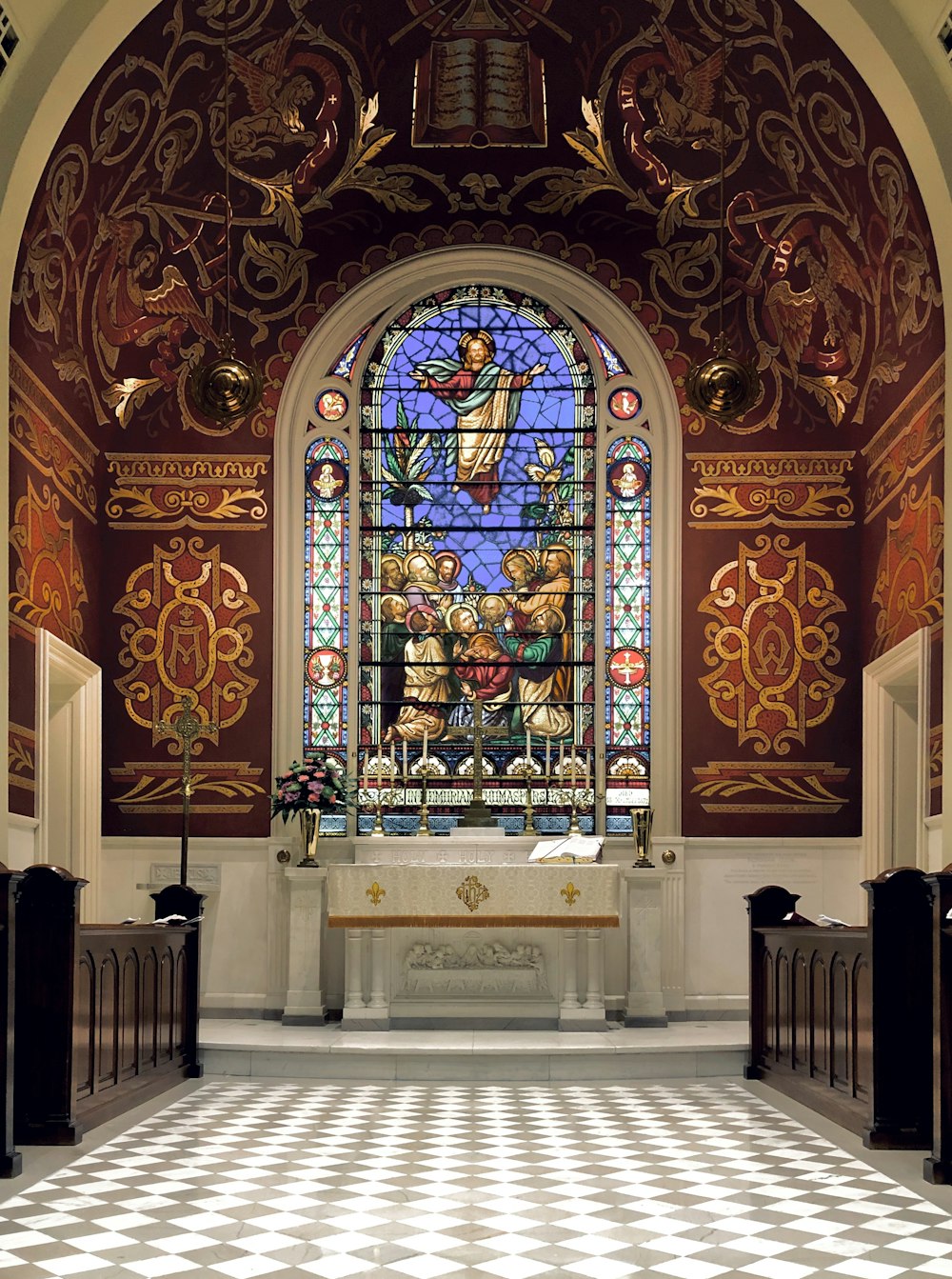
    white and brown church interior

    Easter is the celebration of Jesus’ resurrection; when he came back to life after being crucified. But the gospel story does not end there. The next chapter comes on the day known as ‘Ascension Day.’

    It is the day when Christians believe Jesus returned to heaven. This is really important for Christians, as it tells them that Jesus is alive and ruling with God the Father and the Holy Spirit as one person of the Trinity.


    WHAT HAPPENED AT THE ASCENSION?

    Christians celebrate Ascension Day forty days after Easter and it commemorates Jesus leaving his disciples to take his rightful place with God. The gospel writer Luke in his second book, Acts, states that the disciples saw Jesus offer many “convincing proofs” that he was alive in the six-week period following his resurrection.

    Jesus had told the disciples not to leave the city of Jerusalem, but to wait for the gift that his Father had promised: that of the Holy Spirit. On the first Ascension Day, the disciples were with Jesus outside Jerusalem but were still confused about his mission. They asked him when he would restore the kingdom to Israel. Jesus told them. He told them:

    “You don’t get to know the time. Timing is the Father’s business. What you’ll get is the Holy Spirit. And when the Holy Spirit comes on you, you will be able to be my witnesses in Jerusalem, all over Judea and Samaria, even to the ends of the world.” (Acts 1:7-8).

    As he was still speaking, Jesus began to disappear into a cloud. The cloud was an important symbol to the Jews. It had been a sign of God’s presence when the people of Israel had left Egypt in the Exodus. It had become the way of talking about God; he was in the cloud, mysterious, not completely knowable by humans, he was holy.


    WHY IS ASCENSION DAY IMPORTANT TO CHRISTIANS?

    Ascension Day is important for Christians because it is further proof to them that Jesus is more than a man, but God himself and deserving of praise and worship. One of the earliest Christian teachers, St Paul, told early followers:

    ‘God lifted him (Jesus) high and honoured him far beyond anyone or anything, ever, so that all created beings in heaven and on earth—even those long ago dead and buried—will bow in worship before this Jesus Christ, and call out in praise that he is the Master of all, to the glorious honour of God the Father.’ (Philippians 2:9-11)

  • Pentecost: The Gift of the Holy Spirit

    Before Jesus returned to heaven he set out for the disciples the work he now expected them to do:

    ‘All authority in heaven and on earth has been given to me. Therefore go and make disciples of all nations, baptising them in the name of the Father and of the Son and of the Holy Spirit, and teaching them to obey everything I have commanded you. And surely I am with you always, to the very end of the age.’ Matthew 28:18-20

    This was a tough job for anyone to undertake, there was no way that the disciples could do this on their own. Therefore, Jesus had promised that he would send the Holy Spirit to them as a helper. The Holy Spirit would equip the disciples for the task that they had been set; to tell the world about Jesus.


    THE HOLY SPIRIT FALLS ON THE DISCIPLES

    As the disciples gathered together for the festival of Pentecost, the Holy Spirit came. Suddenly a sound like the blowing of a violent wind came from heaven and filled the whole house where they were sitting. They saw what seemed to be tongues of fire that separated and came to rest on each of them. All of them were filled with the Holy Spirit and began to speak in other languages as the Spirit enabled them.

    You can read all about this in Acts 2.


    WHAT HAPPENED NEXT?

    The disciples felt brave as a consequence of receiving the Holy Spirit and so they went into the centre of Jerusalem They talked boldly about the good news of Jesus’ life, his death on the cross and how he came back to life. The central square was full of people from many countries who had come to celebrate the festival of Pentecost.

    The disciples were able to speak in a variety of languages that the gathered crowd spoke and the visitors were amazed to hear the gospel message in their own mother tongue.

    Some thought it was a miracle. But others thought the disciples were drunk. The disciples pointed out that it was only nine o’clock in the morning. Peter, the disciple who had denied even knowing Jesus just a few short weeks before, explained to the people what had happened. He explained that the gift of the Holy Spirit was the fulfillment of the prophecy given to Joel hundreds of years before. 

    Peter went on to explain how Jesus was even more important than King David, who the Jews believed was an image of what the Messiah (the special leader sent from God) should be like. Peter believed that Jesus fulfilled the promises God had made.


    HOW DO CHRISTIANS REMEMBER THIS EVENT?

    Today Christians celebrate Pentecost as the birthday of the Christian Church and remember especially the gift of the Holy Spirit. the celebration takes place on the seventh Sunday after Easter, so the date changes from year to year.

    Many churches will be decorated in red and special banners will be hung up. Christians will often join together to celebrate perhaps with a march of witness, or fun events like a party in a local park with Christian bands and special speakers.

  • Different Ways of Praying

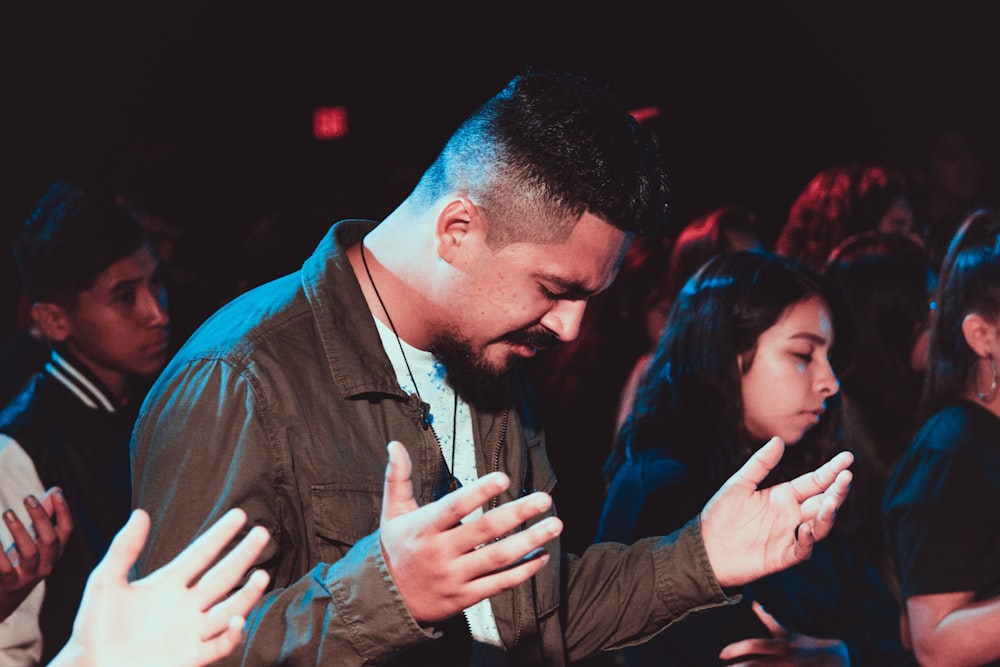
    man praying

    Personal Prayer

    Most Christians pray to God on their own, spending time focusing on him. This involves organising a time when they will be on their own in silence. They might use something, often some verses from the Bible that mention God, to help them focus on him.

    For example, this verse from the Psalms says:

    “The Lord is my Shepherd, I will lack nothing” (Psalm 23:1)

    They might think closely about the words, using their imagination to picture a shepherd carefully watching over a sheep. They might ask God to help them understand more about what He is like through the words, or help them obey what He has said to them, in order to grow closer to God.

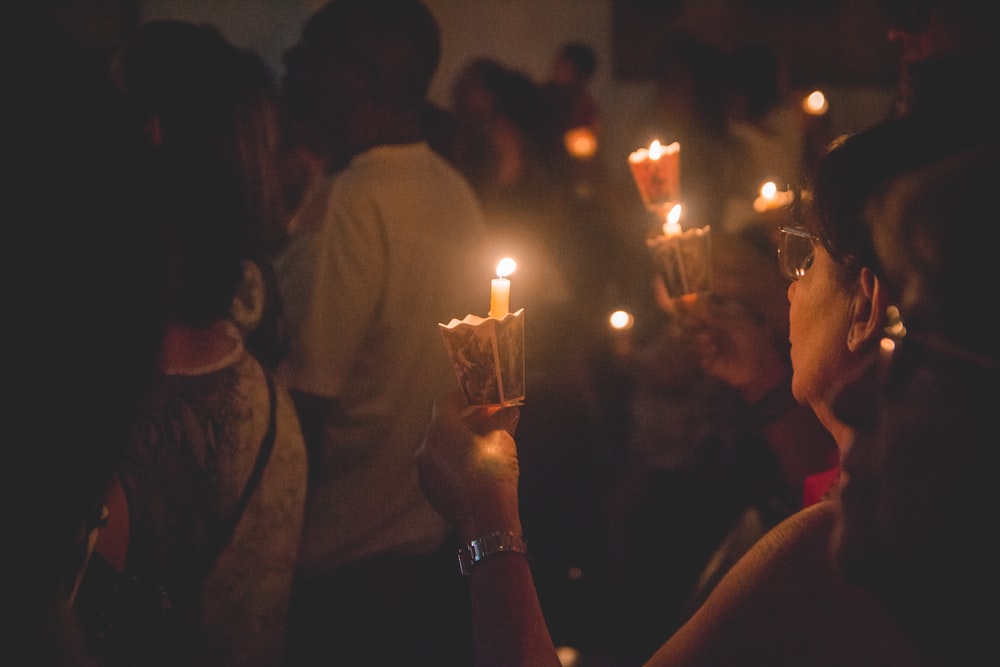
    people holding lighted candles during nighttime

    Prayer Vigils

    Some Christians hold prayer vigils. A vigil is a night of prayer where they come to a venue to pray together. Jesus often prayed at night, and he spent all night praying alone before choosing his twelve disciples (Luke 6: 12-13). Christians also like to pray at night, when it is quiet and peaceful, and they can leave behind the worries of a busy day. They feel that God is close to them then, and they can listen to him speaking to their heart.


    Sometimes churches organise a vigil before festivals, such as Easter. It gives people the opportunity to really think about the meaning of the day. A vigil may also happen at a time of particular need, like a vigil for peace or in remembrance of someone who has died.

    Creative Prayer

    At other times Christians may pray in very creative ways. This may include using the arts – song, painting, poetry, sculpturing, and photography – as a way to pray. It may include blowing bubbles or dropping rocks in water – anything that helps a person to focus on God can be used in prayer.

  • Medieval Churches

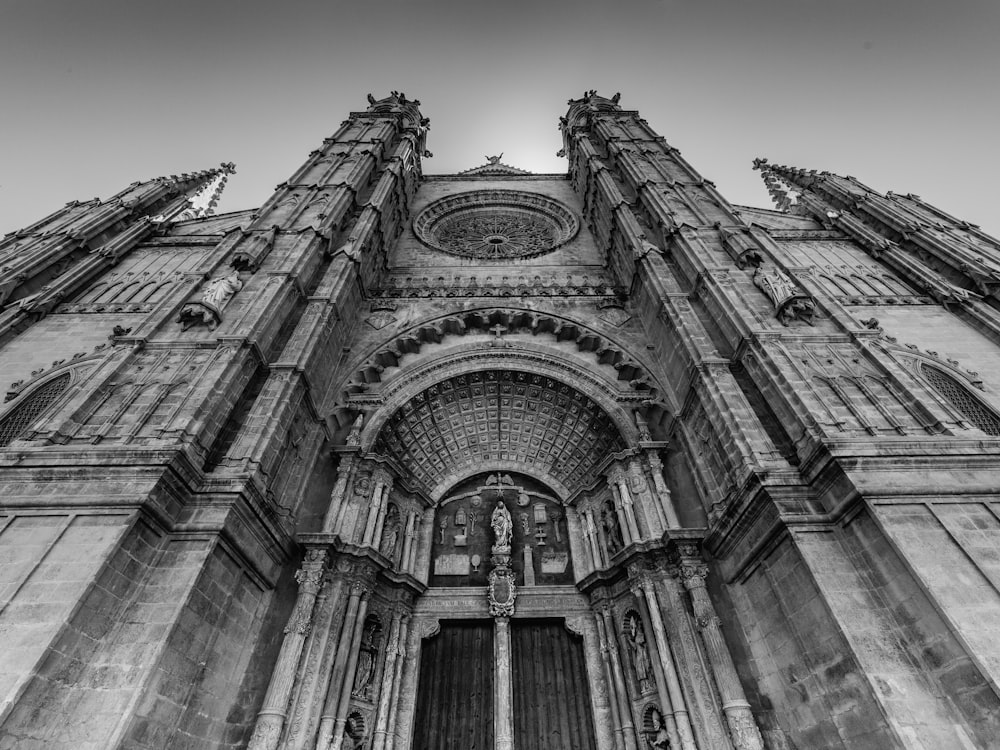
    grayscale photo of low angle photo of concrete building

    Going to church in the early Middle Ages was a bit like going to a football match today – people came to watch as supporters, not to join in.

    The priest offered mass (communion) for the people at the altar, taking the bread and wine to remember Jesus’ death on the cross. The ordinary people only took the bread and wine once a year at Easter, having first confessed their sins to the priest.

    There were no hymns to sing, not usually a sermon to listen to, and not even anywhere to sit. Instead, the people came to church each Sunday and stood to watch the priest – and to talk to their friends! Only rich people could read, so there were lots of paintings – known as murals – on the walls, telling many of the key Bible stories through art. So that the community could use the building for other things the church was mostly empty of special furniture, much like a modern community centre or village hall.

    In the late Middle Ages – from 1400 onwards – a separate church house was built in every parish to be used as a community centre. The church building was now used only for worship and special furniture could be added. Later, the Bible readings and sermons became more important, so a pulpit was built from which to preach, with a lectern made to hold the Bible.

    Now there were pews to sit on. A screen or sheet divided the people’s part of the church – the nave – from the part used by the priest – the chancel. This screen often had a rood on its top – a big carving of Jesus on the cross with his mother Mary, and St. John on either side. Many churches were also given bells to call the people to worship. Brightly painted statues and carvings, stained glass windows, murals on the walls and the priests’ richly embroidered robes all filled the church building with a riot of vivid colour.

  • Crime and Punishment

    Free Woman Holding the New York Times Newspaper Stock Photo

    Log onto any news website and you will read about crime across the world. It is something that affects the lives of hundreds of thousands of people every day and pervades every area of our society. You might read about acts of theft and violence, from knife crime on the streets to domestic violence indoors. Crime can be driven by addiction, emotion, or materialism, or just plain old-fashioned irresponsibility and negligence.

    Why do people commit crimes? Although from a sociological point of view there are many reasons, Christians would probably point to selfishness that seems to live in the heart of people, a desire to please ourselves, and very often at other people’s expense. This is what the Bible calls sin, and also a misuse of the free will that God has given us.

    Not all that Christians call ‘sin’ is against the law, for example, adultery (sleeping with somebody else’s spouse) is not illegal. However, many of the acts that are classed as illegal in this country would also be seen as sinful, having selfishness at their heart.


    CRIME = An act against the law of the country.  SIN = An act against the law of God.

    You can find out more about the difference between a crime and a sin by clicking here.


    THE KEY AIMS OF PUNISHMENT

    The four aims of punishment are:

    • Protection – criminals are sometimes sent to prison if convicted, so punishment offers protection to society.
    • Retribution – punishment for the crime committed, the criminal should be made to pay for what they’ve done
    • Deterrence – the punishment should work to put people off committing crimes.
    • Reformation – the punishment should focus on rehabilitating the criminal, making them see the error of their ways, help them become a better person.


    What do Christians believe?

    Christians have personal opinions about punishment based on their interpretation of the Bible. In consideration of punishment, there are two key principles that the Bible promotes: justice and mercy, based upon teachings around forgiveness.


    Retribution and Reparation

    Justice is about making things right for the victim. This may involve the need for reparation, for the offender to make things up to the victim, and paying for any wrongdoing. This is perhaps where famous verses such as ‘eye for an eye…’ (Leviticus 24:19-20) fit in with the idea that if something is taken, reparation should be made in kind so that the victim is not left without justice for what they have suffered.

    Indeed, the books of law in the Old Testament give specific guidance on penalties and reparation for victims, clearly aligning with retribution and reparation as the key aims of punishment:

    “Say to the Israelites: ‘Any man or woman who wrongs another in any way, and so is unfaithful to the Lord is guilty and must confess the sin they have committed. They must make full restitution for the wrong they have done, add a fifth of the value to it and give it all to the person they have wronged.‘ Numbers 5:6-7.

    You can find out more about how important justice is to victims here.


    Reformation

    But equally, the Bible has a lot to say about mercy, that people can be spared what they ‘deserve’ for the crime or sin committed. God is spoken of as being merciful throughout the Old and New Testaments, and Christians see Jesus’ death on the cross as the ultimate example of God’s mercy: Jesus took the punishment for sin in the place of humankind.

    In some circumstances, they may see that treating an offender mercifully may be the best option. For example, if they have made important steps to change, or show deep remorse and a desire to make reparation themselves. This principle of mercy would also influence the way they see the aim of punishment: it should equip people to live better lives afterward, as opposed to being a mechanism simply to pay for wrongdoing. The Bible asks Christians to ‘act justly, love mercy and walk humbly with God.‘ (Micah 6:8).

    Adding weight to this is the Christian gospel – the ‘Good News’ of Jesus Christ – which is central to the Christian faith. When a person becomes a Christian, they are given an opportunity to repent of their sins and have a new life. Whatever they’ve done wrong is wiped out through Jesus dying in their place. Therefore, many Christians believe that the main aim of punishment should be about the reformation of the criminal, helping to give them new skills, ‘re-programming’ them to turn their lives around and become valuable members of society.

    For many Christians, this element of humility is important when thinking about crime and punishment. The Bible teaches that all have sinned, and no one is perfect. It is not for anybody to point the finger, but recognise that all have committed sins against each other. As such, many Christians recognise a need to provide help and hope for those who have committed crimes, as well as those who have suffered from them.


More posts